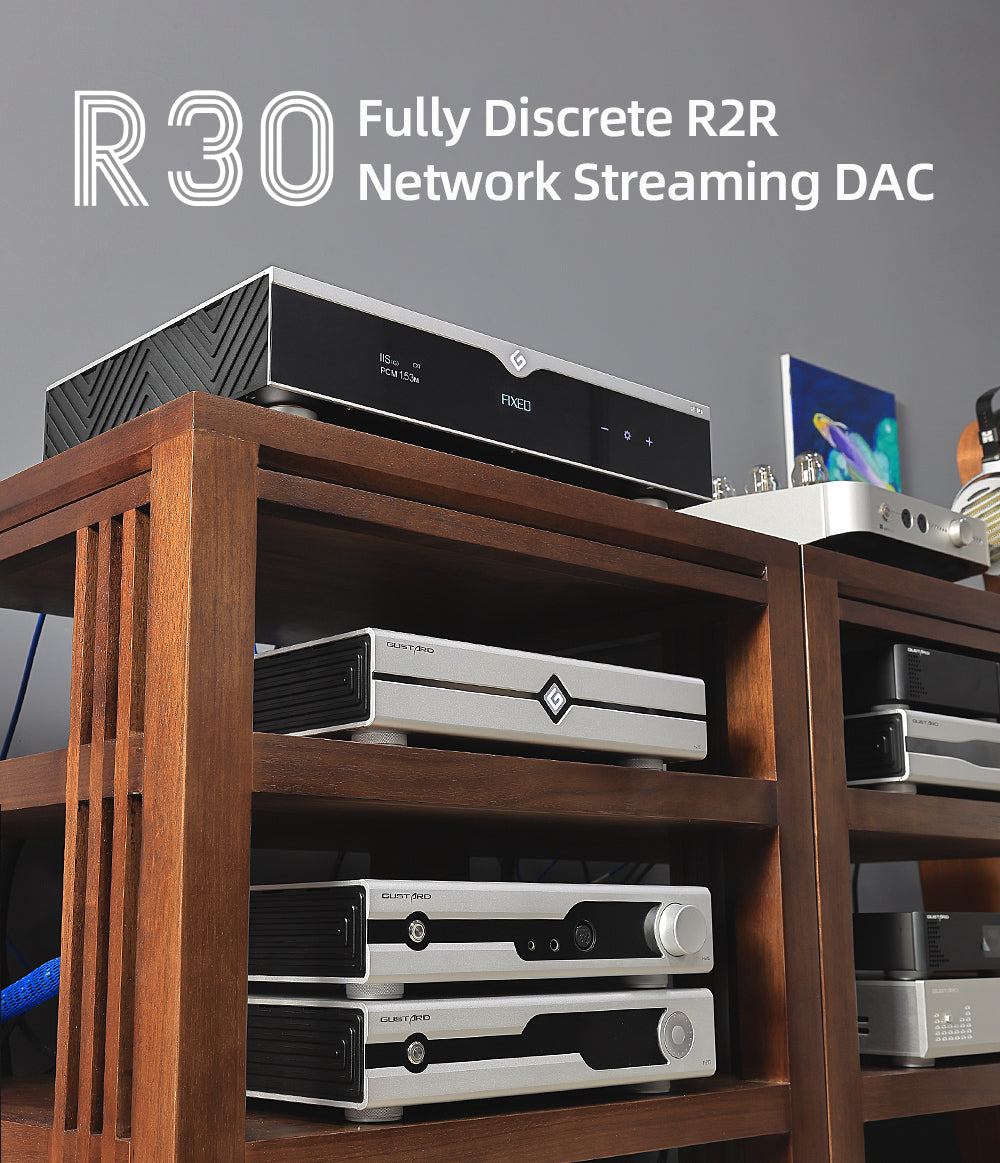
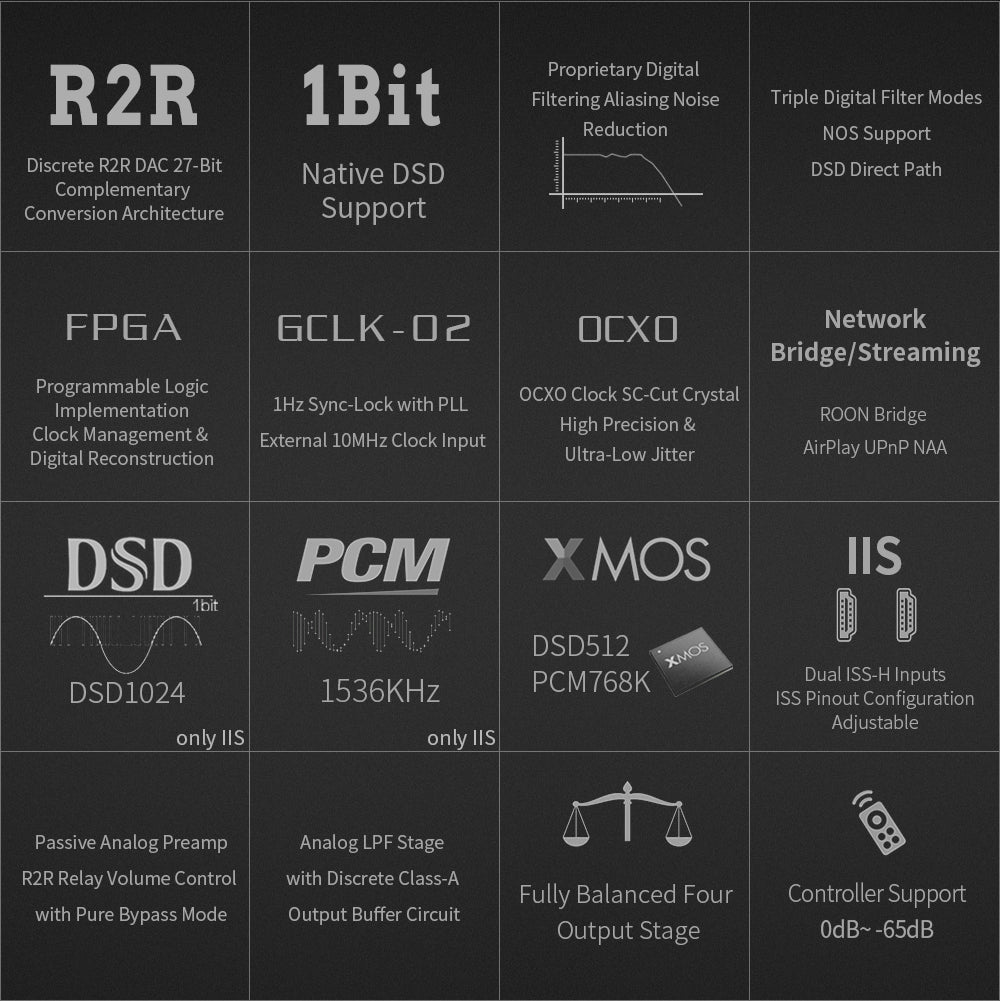
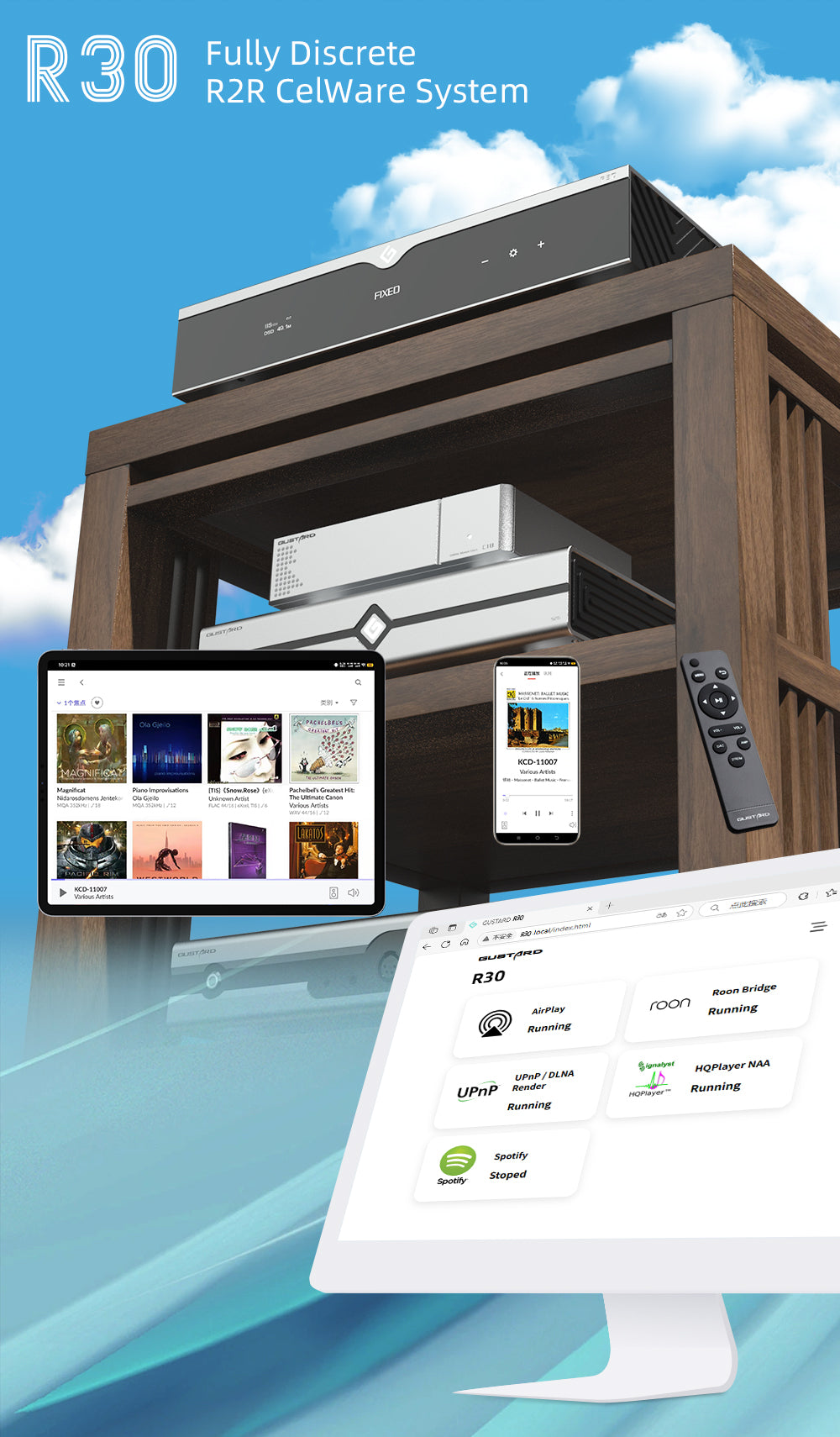
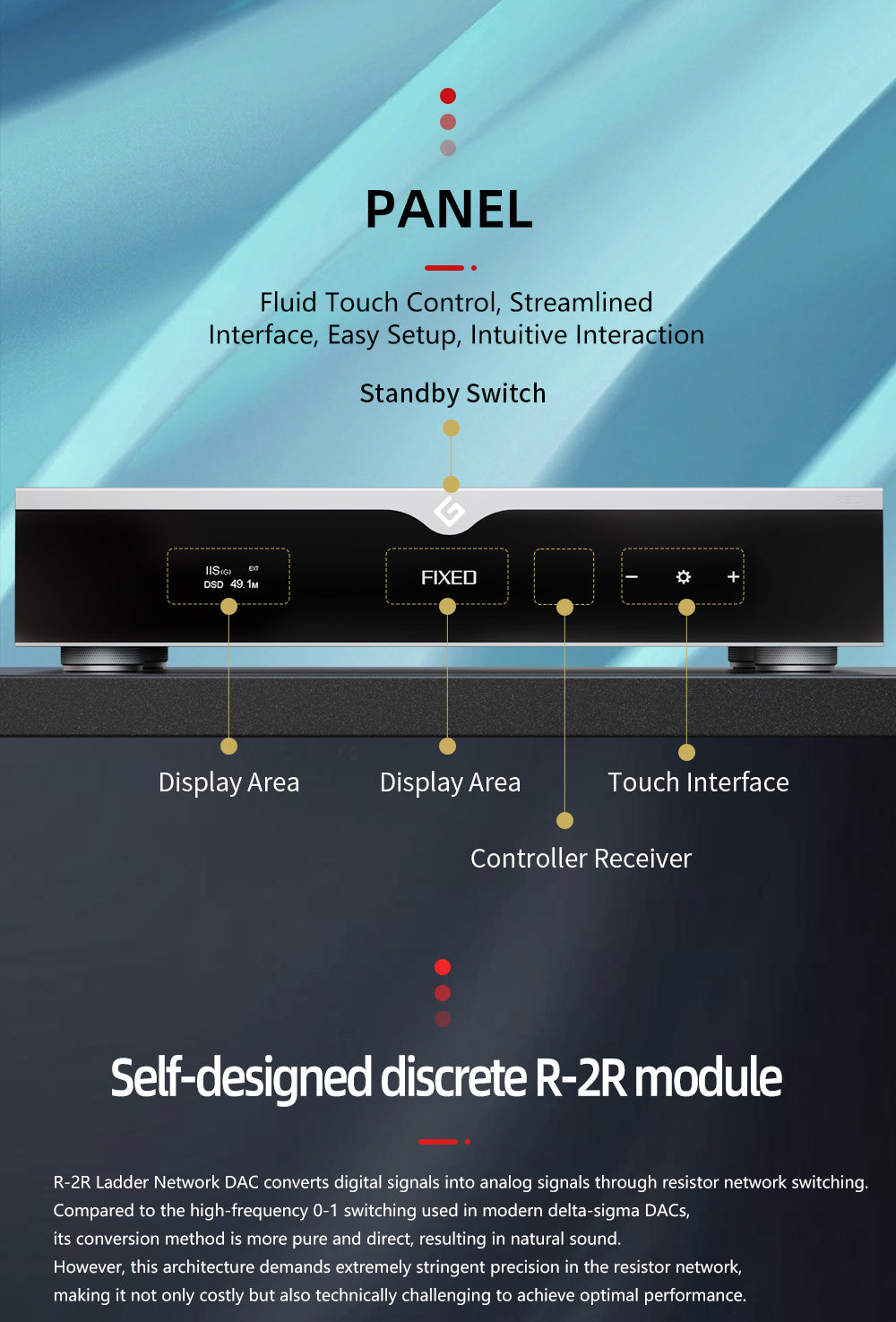
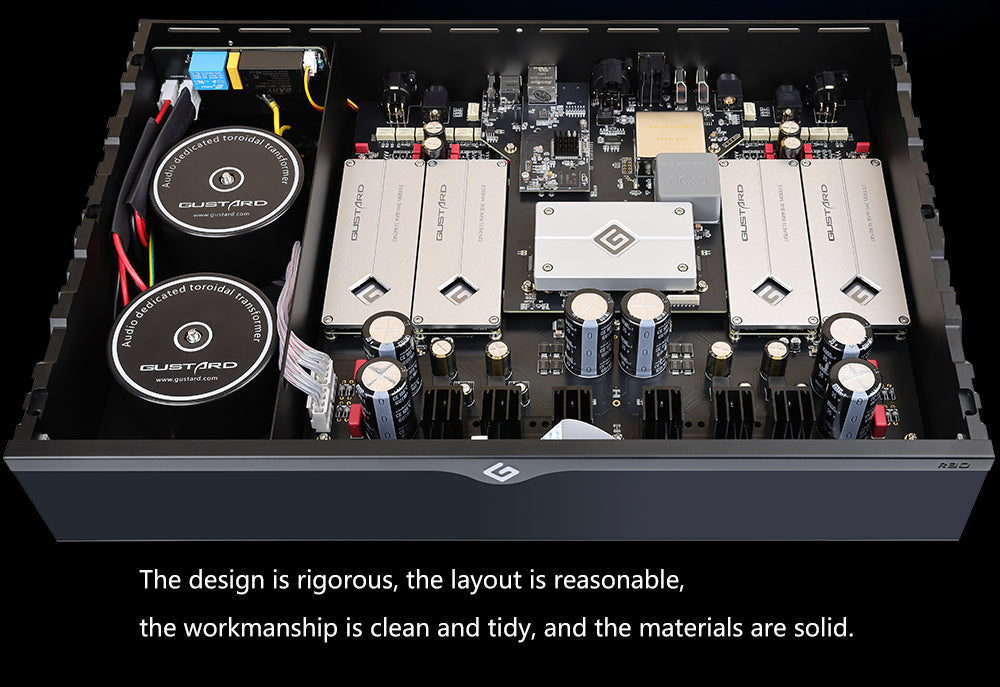
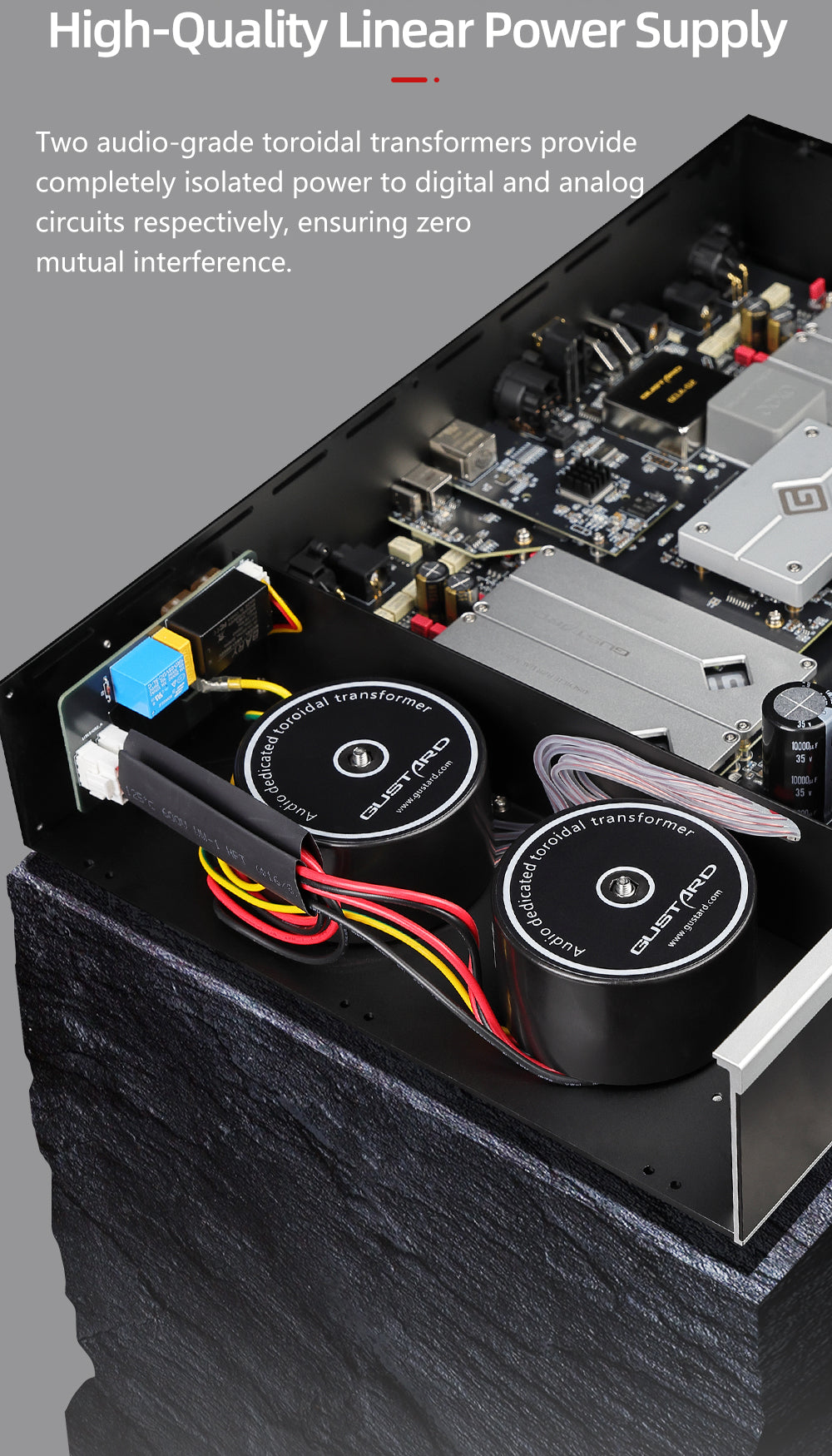
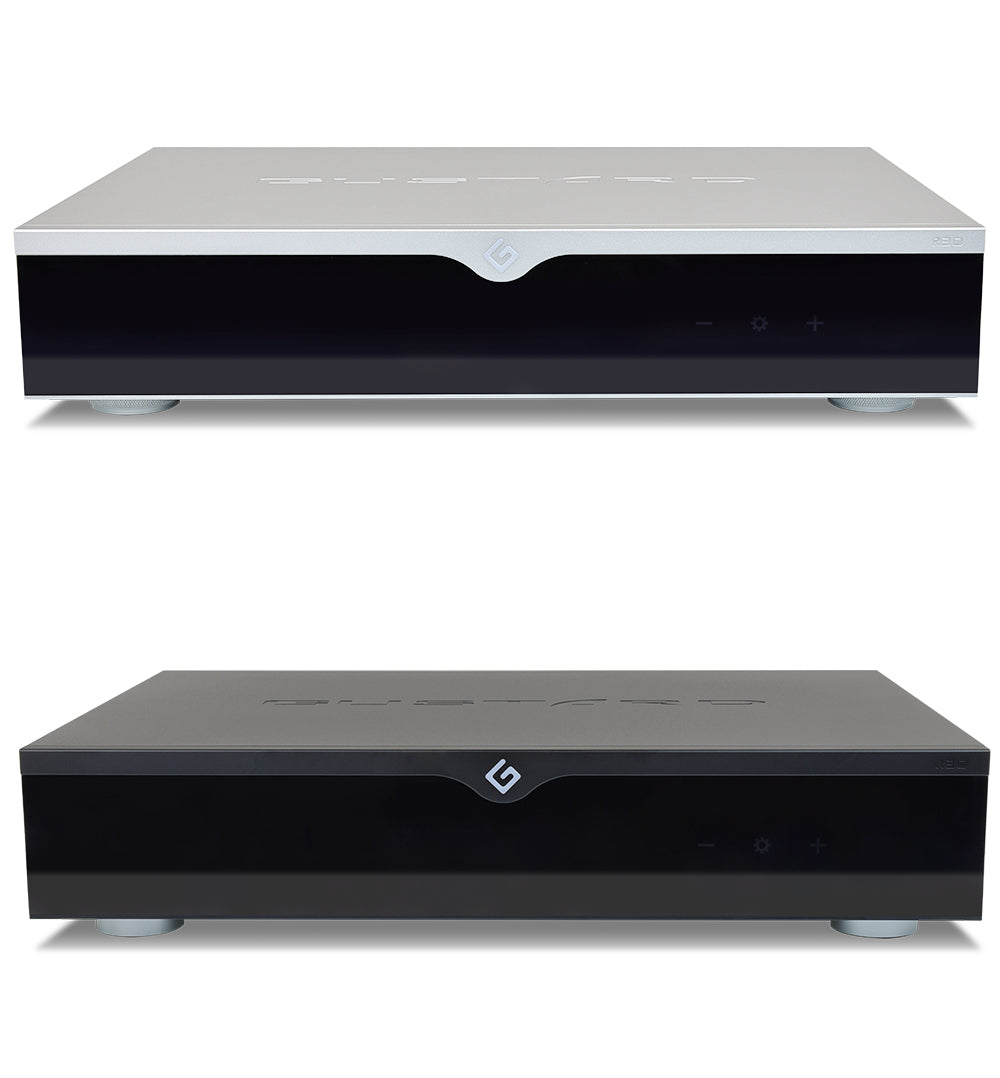
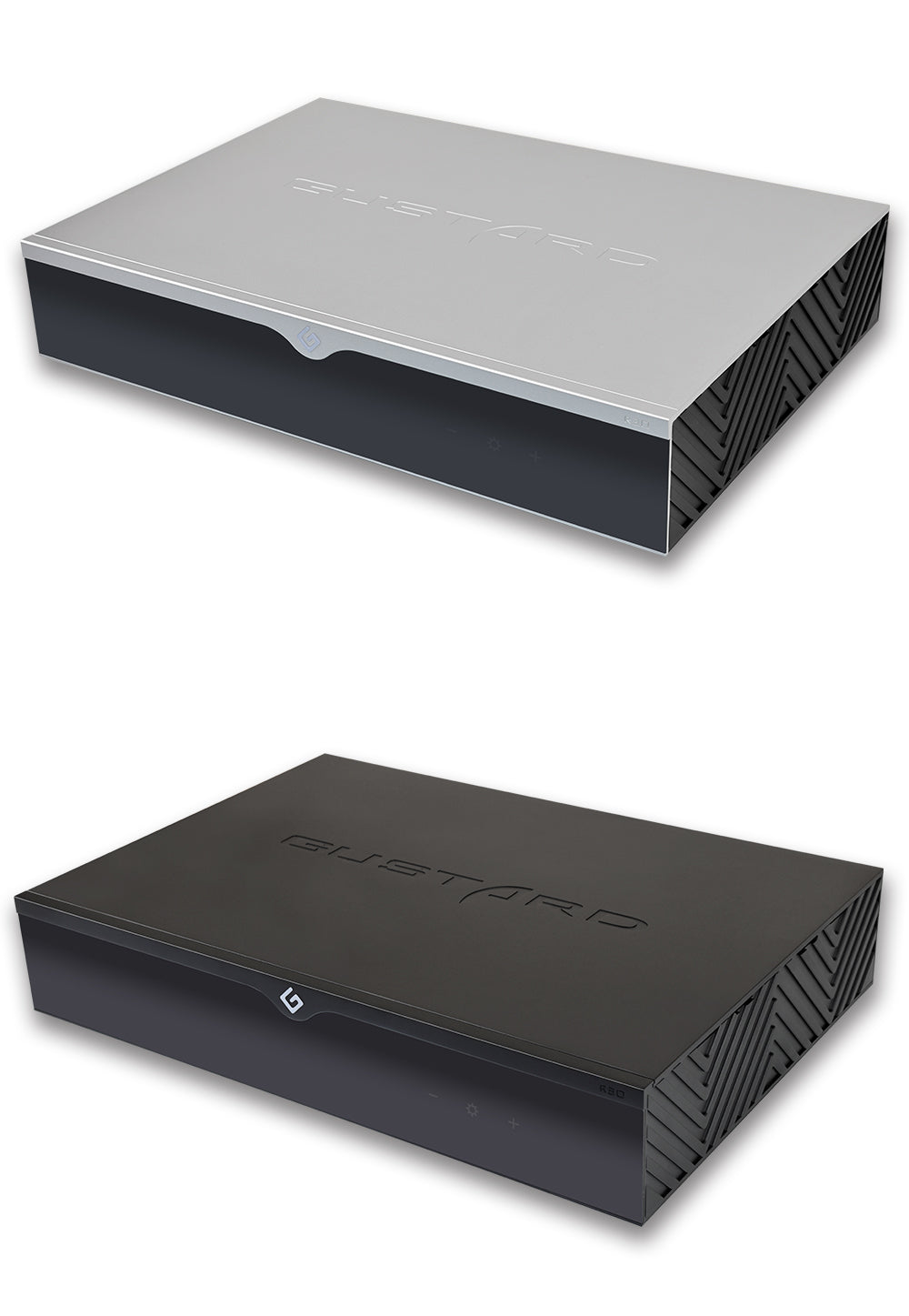
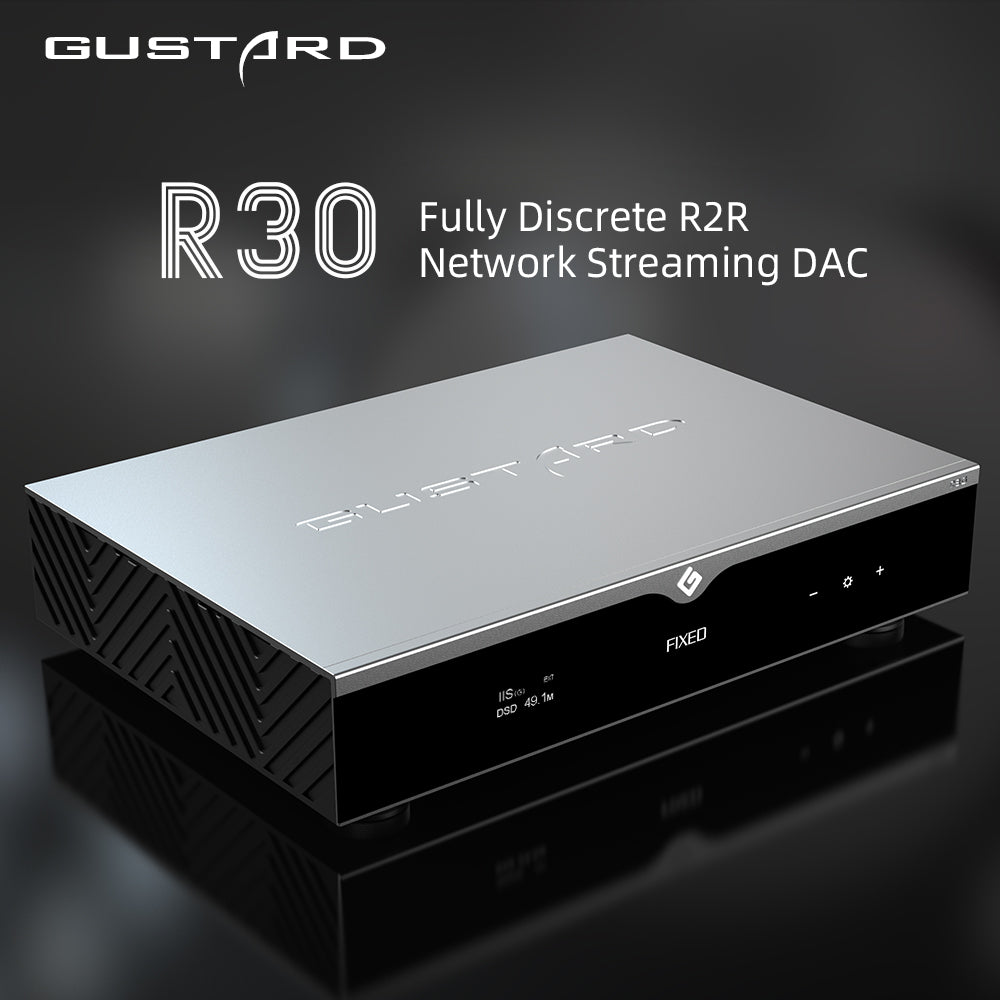
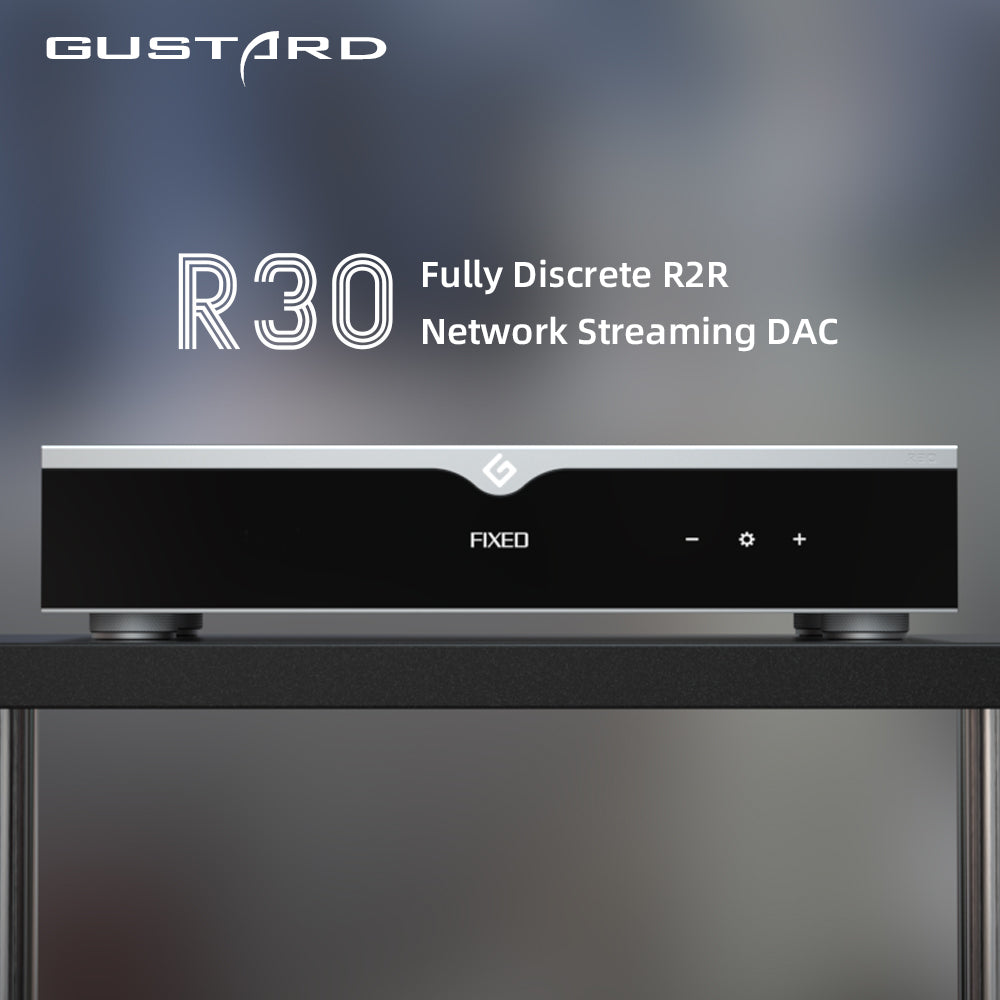
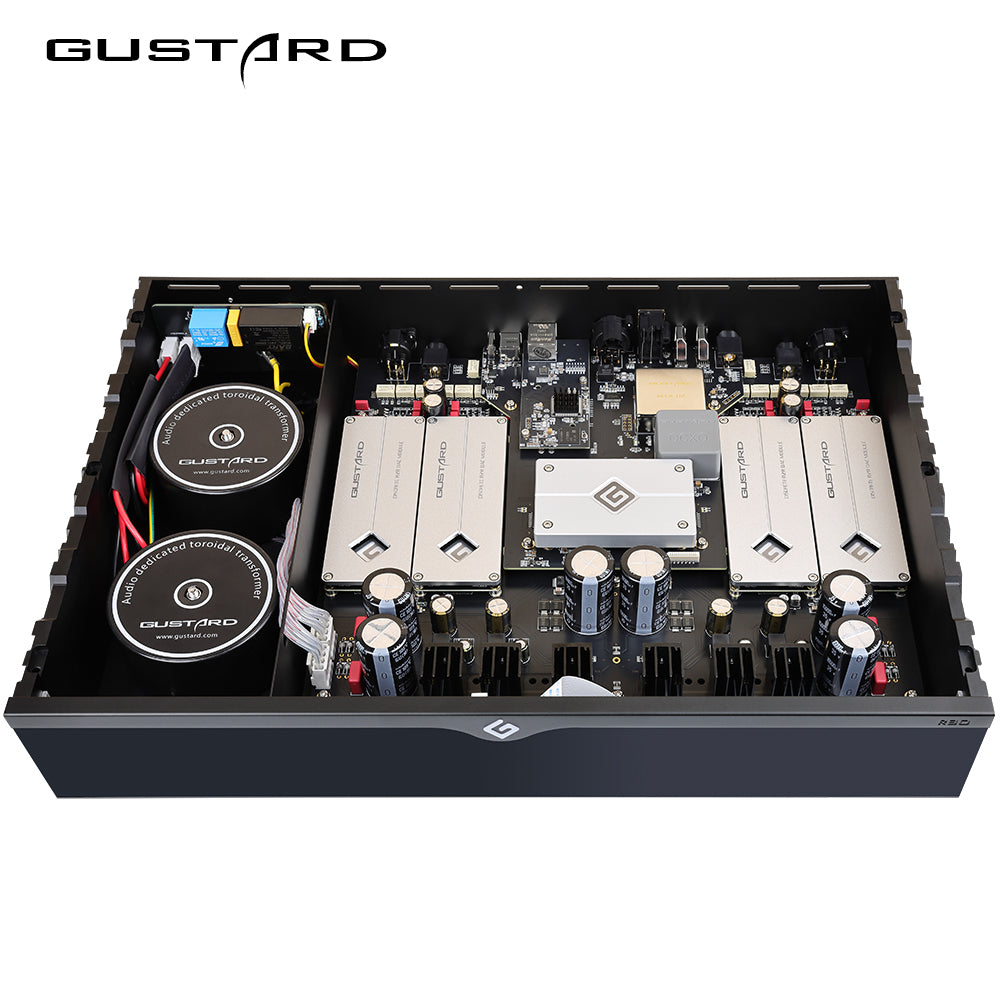
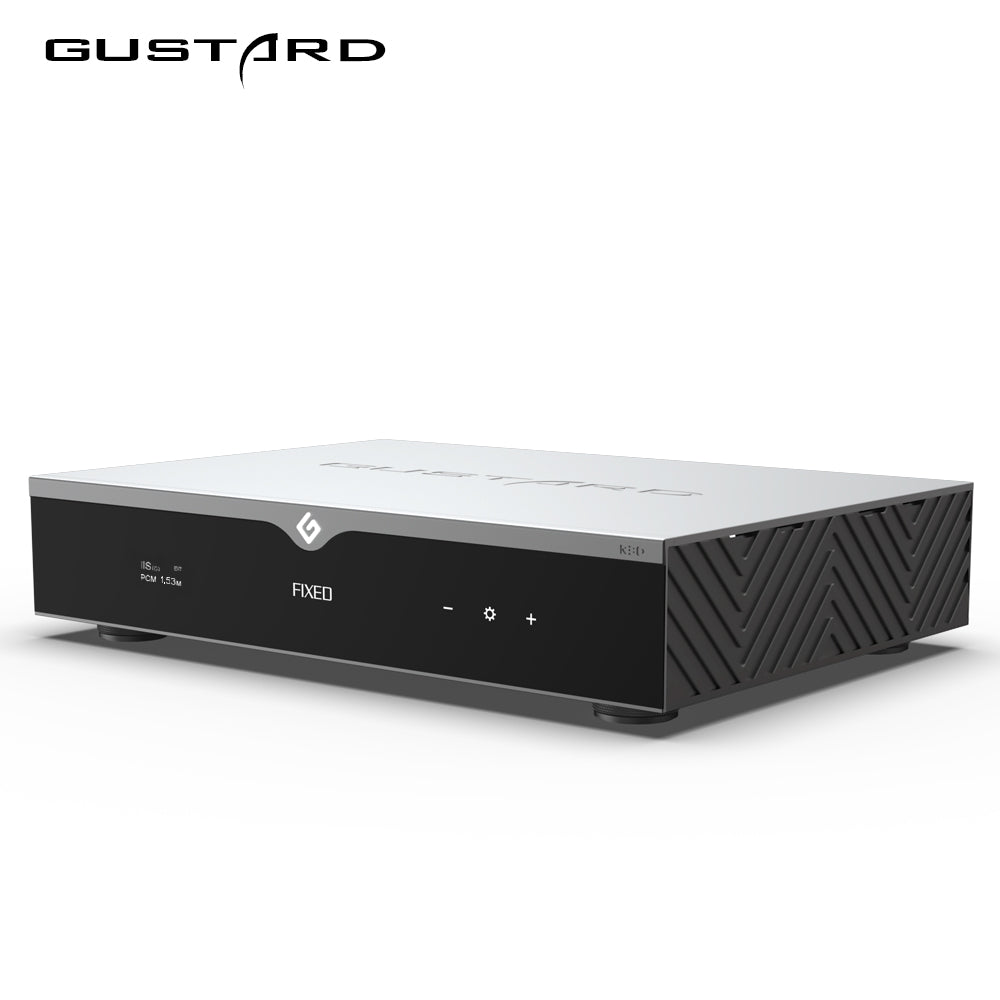
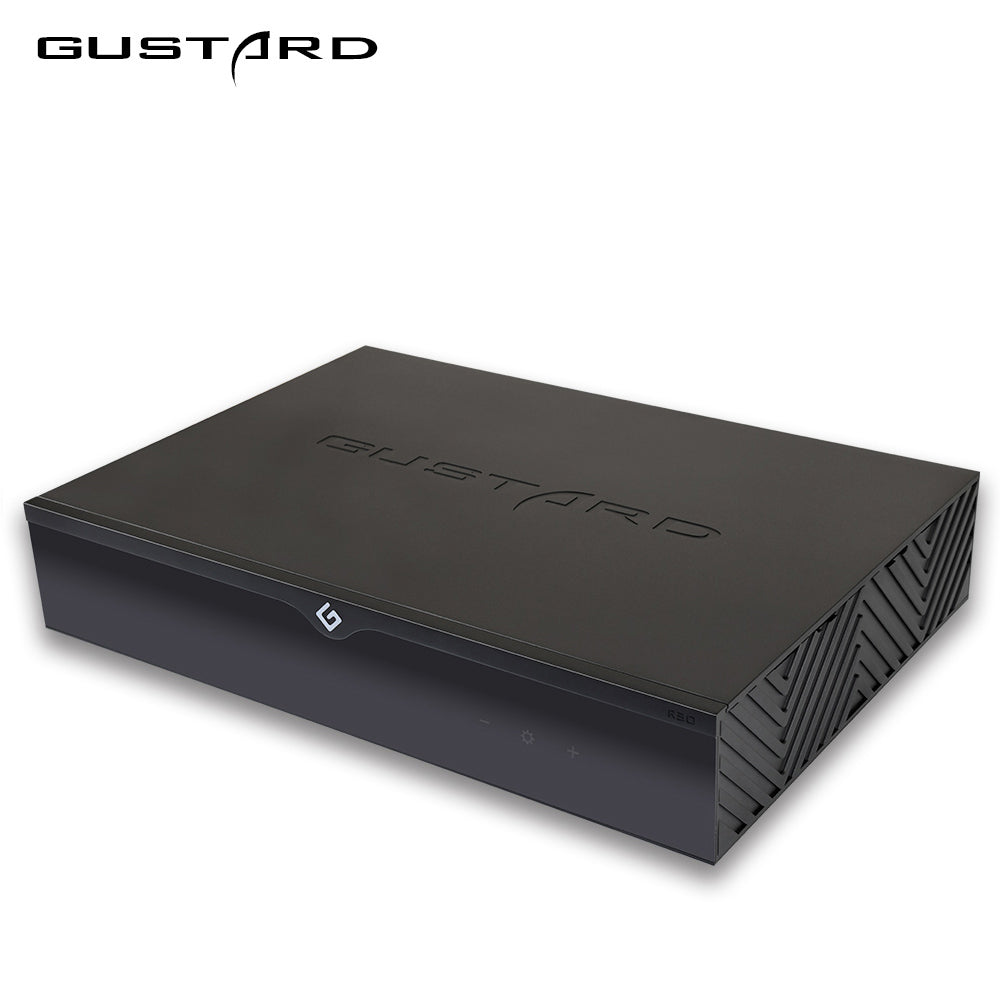
The R30 is made for listeners who want digital done differently. Decoding is handled by a fully discrete R2R ladder network: resistors switching in perfect precision rather than the high-frequency 0/1 toggling of delta-sigma DACs. The result is a sound that’s natural, detailed, and free of the digital edge. Around this core feature, the R30 applies serious engineering: true 1-bit DSD decoding, FPGA-based clock management, a self-developed network bridge, and a discrete Class-A analog output stage. Together, these elements create a DAC that sounds utterly natural.
Organic-sounding discrete R2R ladder
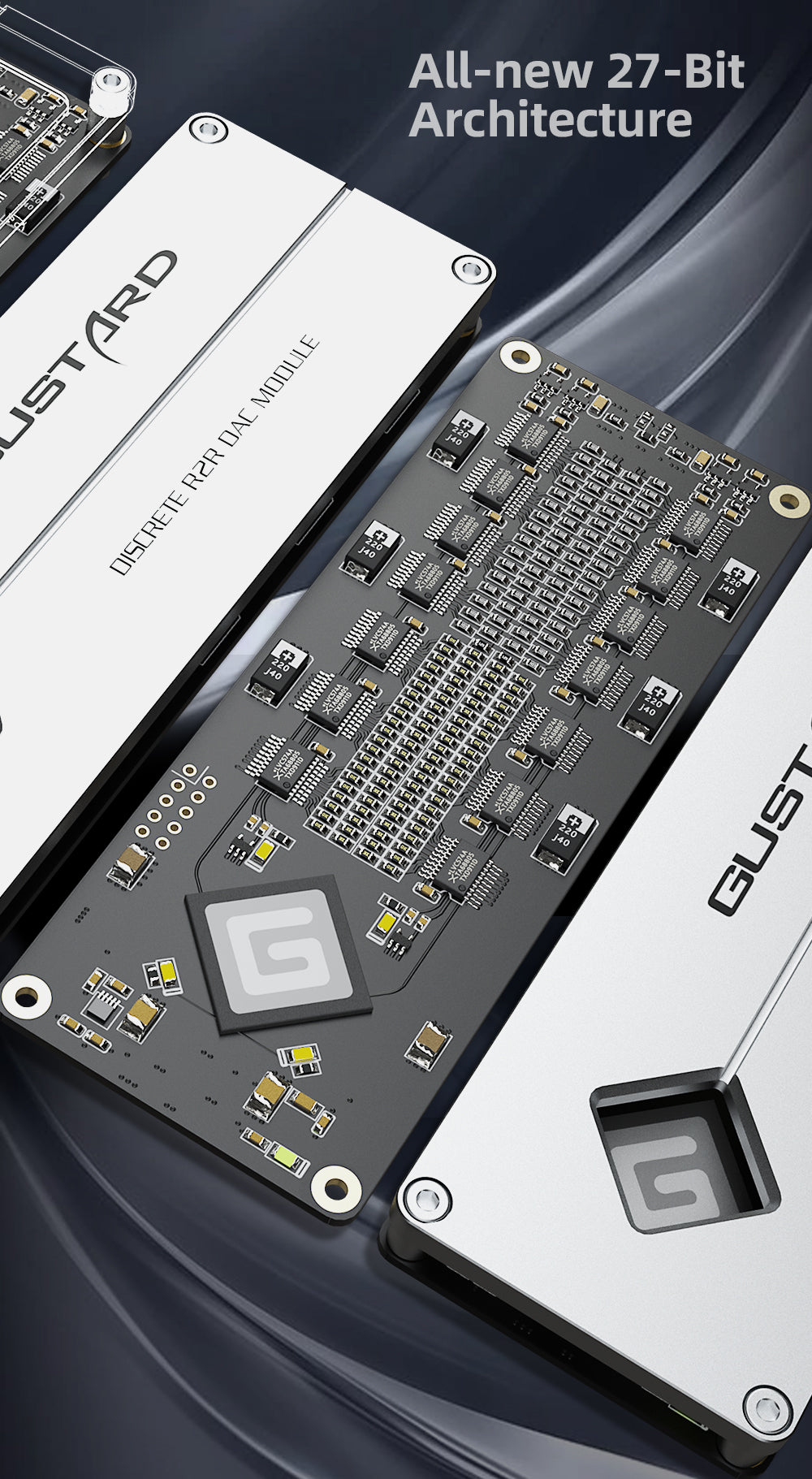
The R30’s discrete R2R module converts digital signals directly through a resistor ladder network. This design demands extreme resistor matching and precision, but it pays off with a more organic-sounding conversion.
True 1-bit DSD decoding
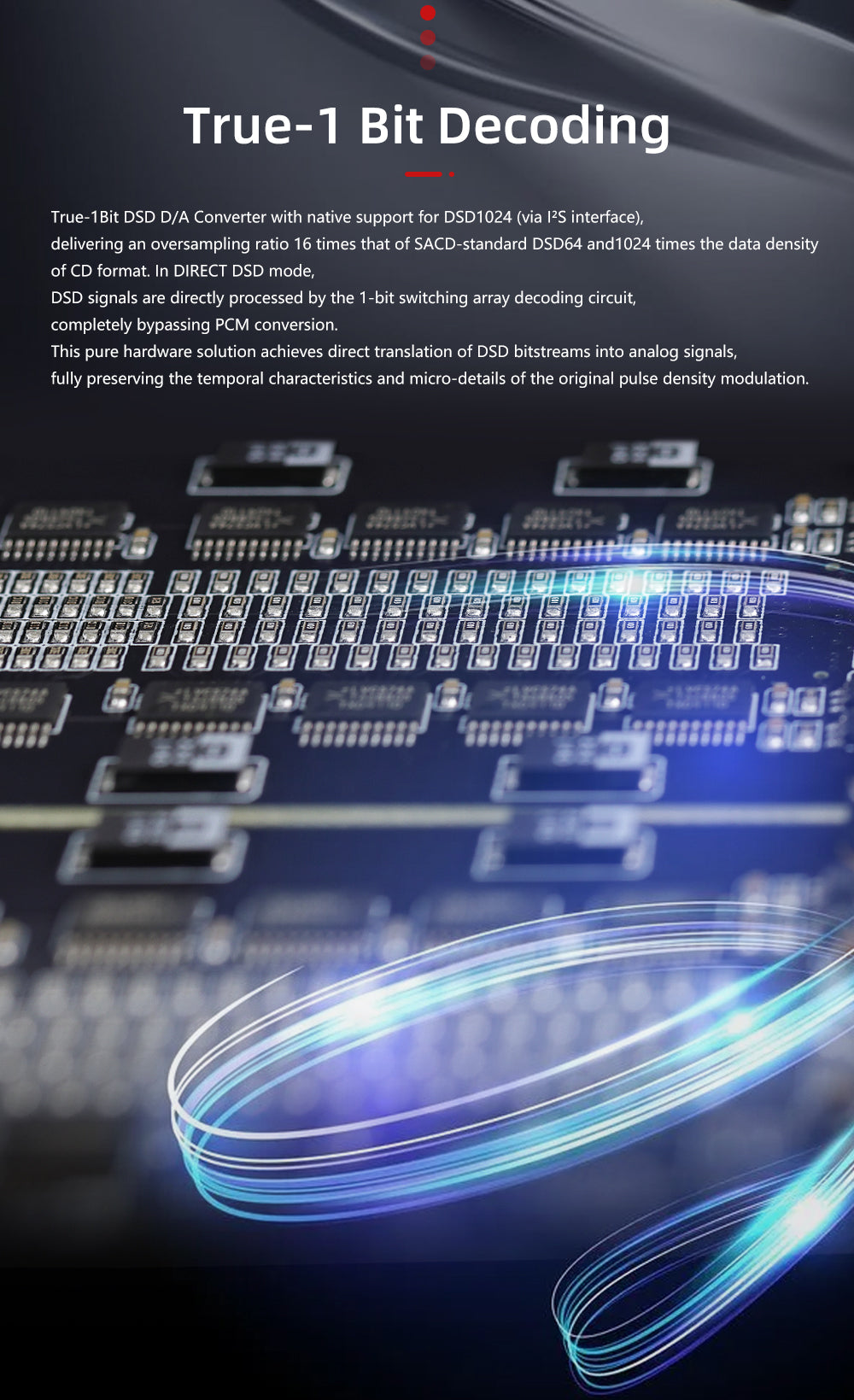
Native support for DSD1024 means the R30 can handle data density 1,024 times that of CD audio. In DIRECT DSD mode, the bitstream bypasses PCM conversion entirely, decoded straight through a 1-bit switching array, which preserves micro-details and timing integrity.
Smart digital filtering
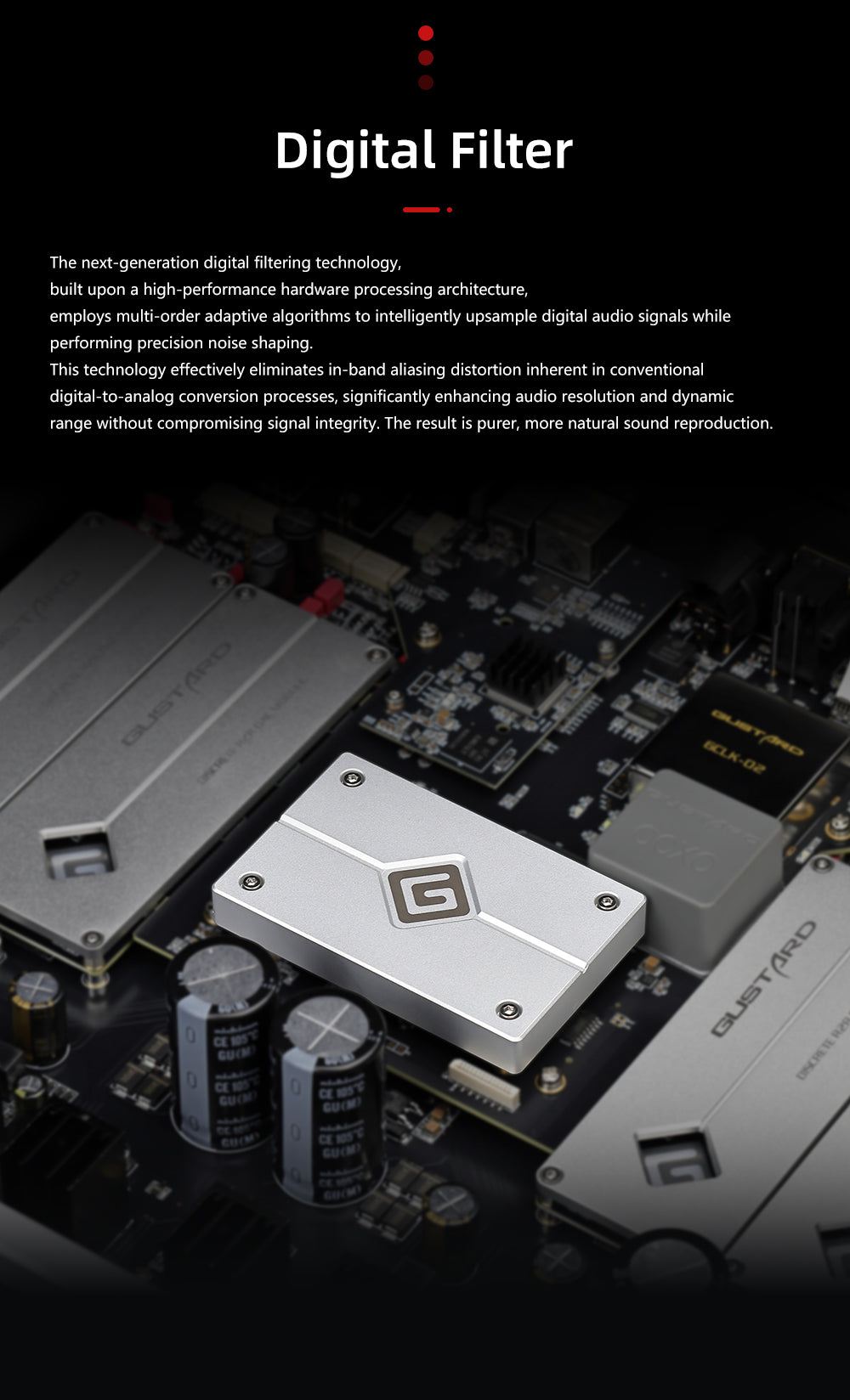
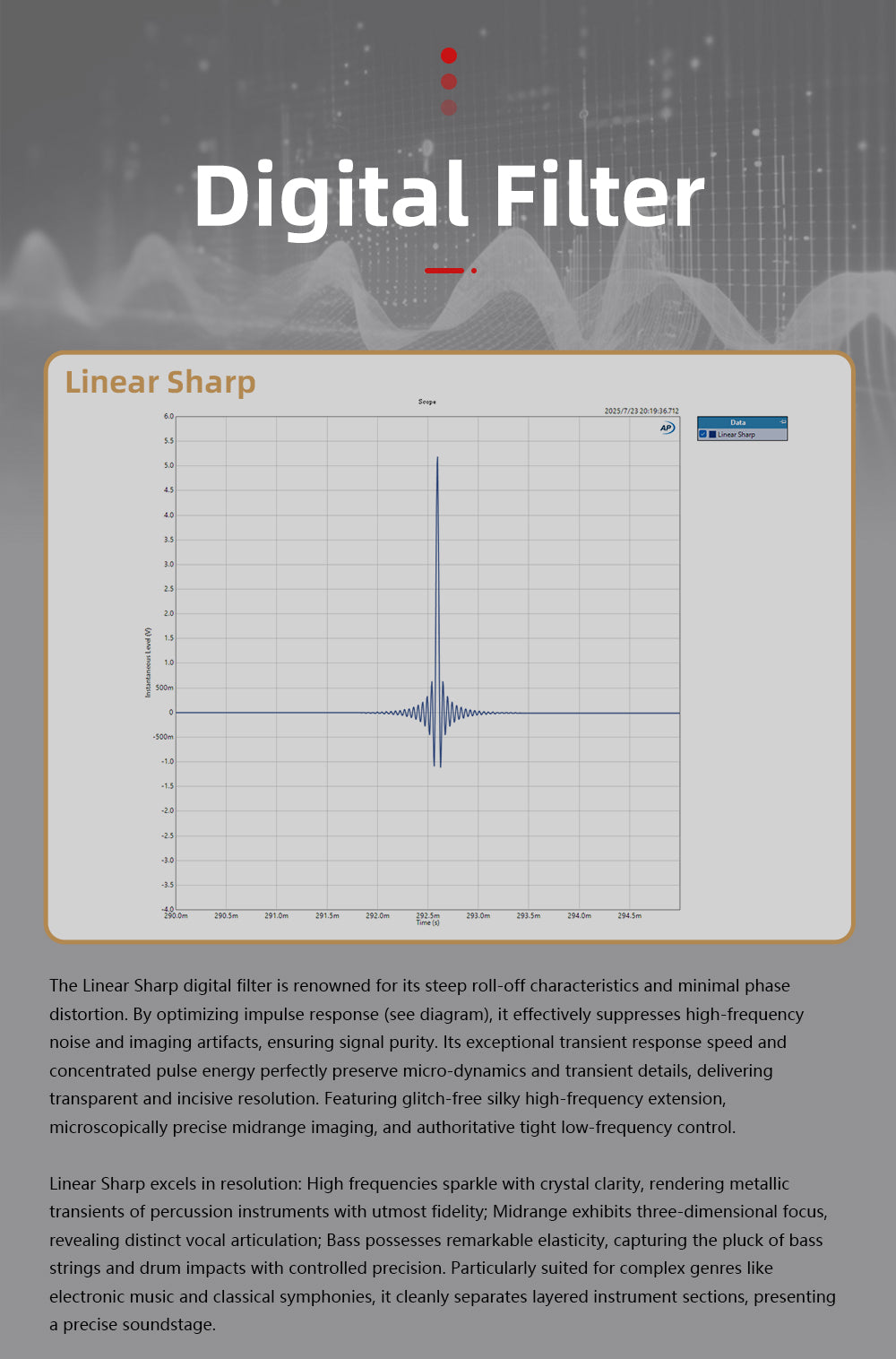
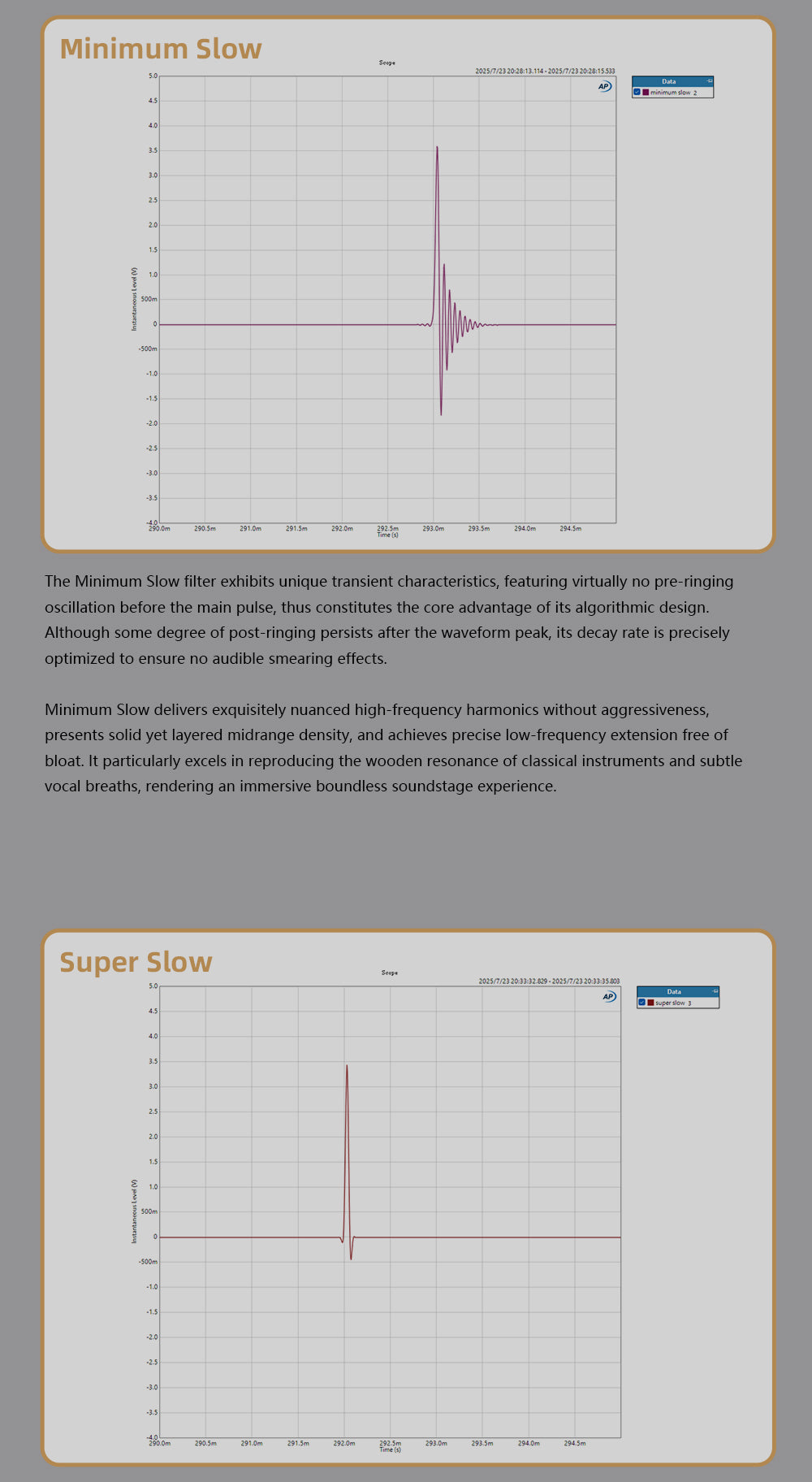
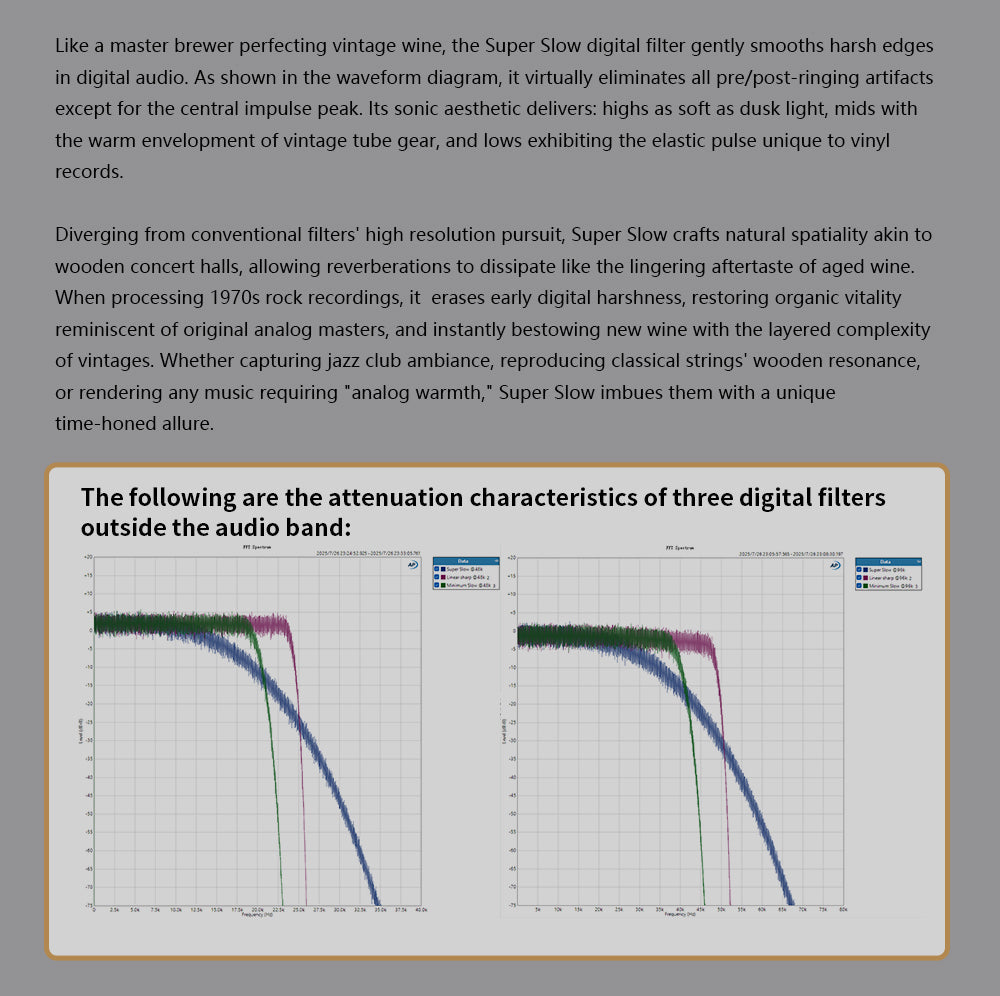
Three filter modes—Linear Sharp, Minimum Slow, and Super Slow—let you choose how the DAC shapes your sound. Built on adaptive multi-order algorithms, the filtering reduces aliasing noise while enhancing resolution and dynamics.
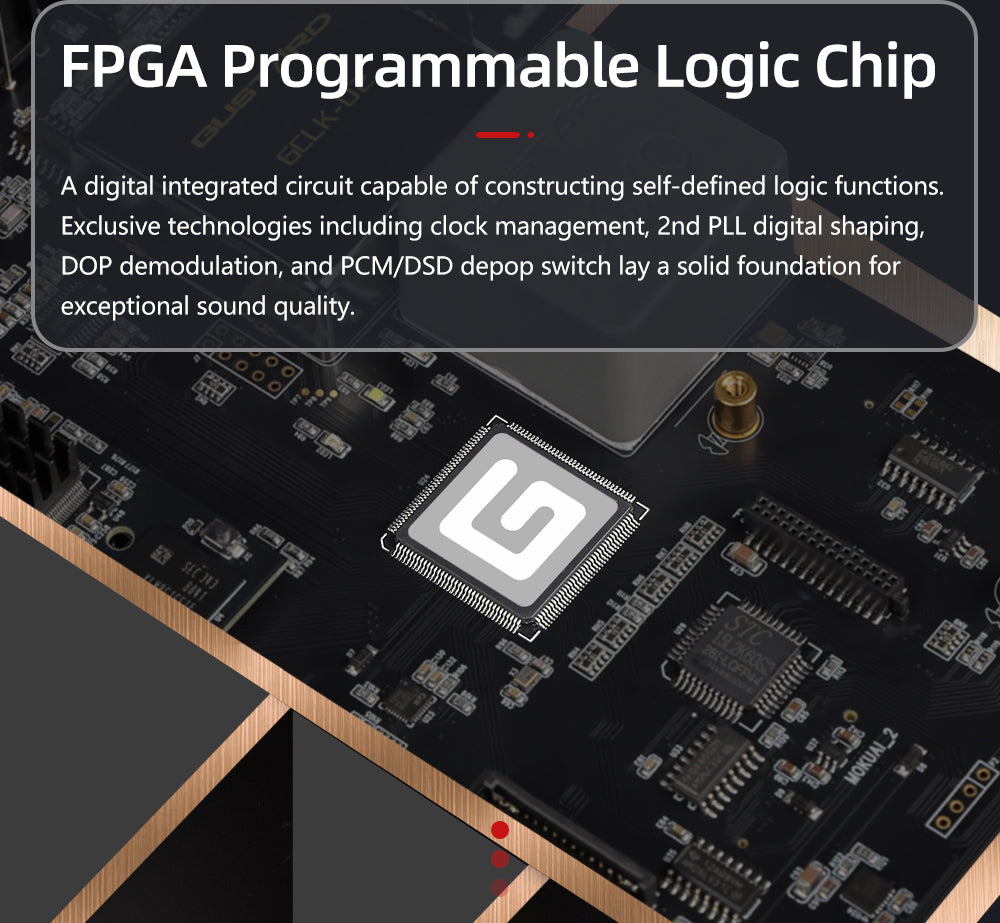
FPGA-powered control
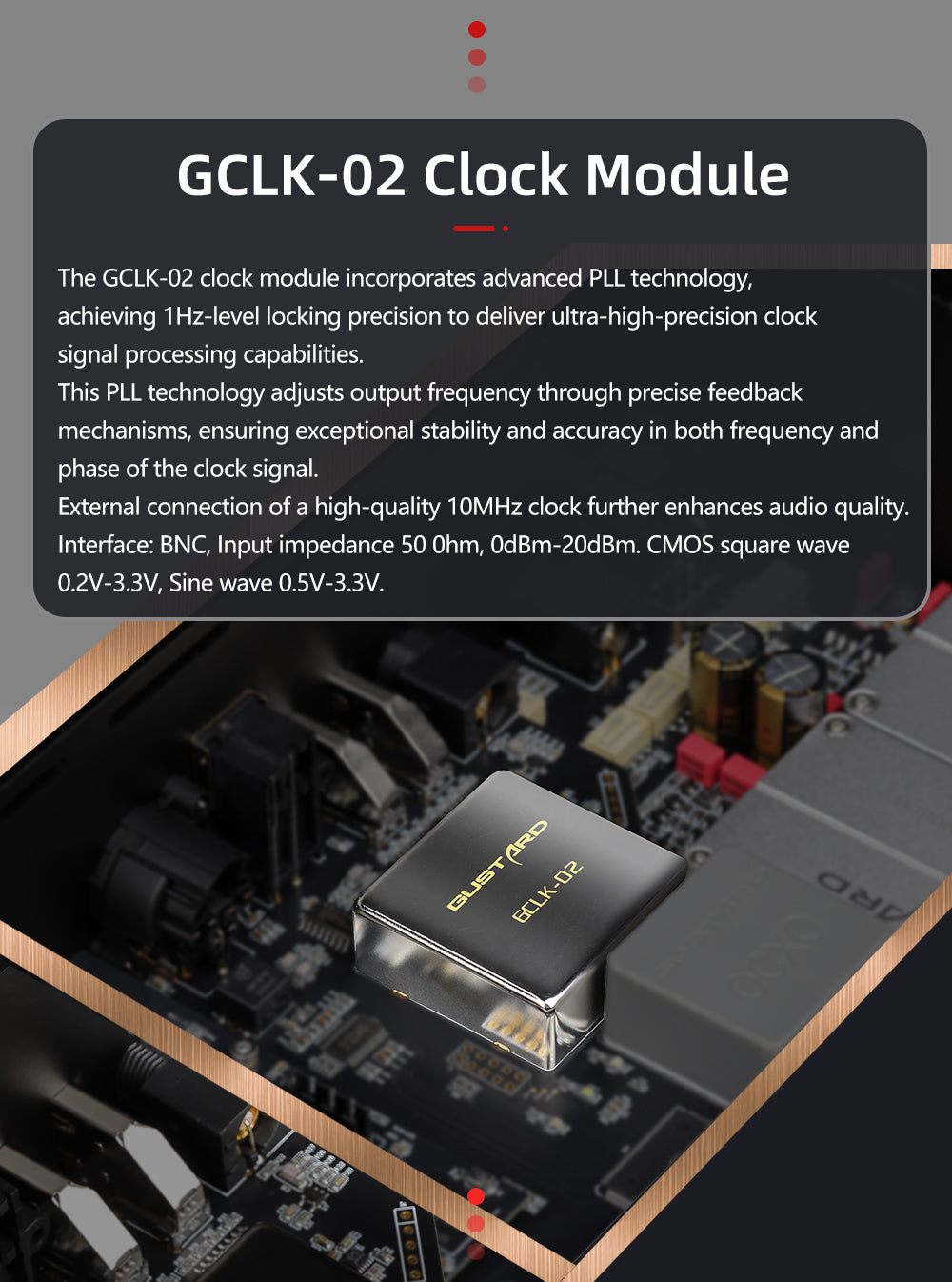
A programmable FPGA handles clock management, PLL shaping, depop switching, and signal routing. This architecture lays the foundation for low jitter, stable synchronization, and customizable logic control that stays rock solid no matter how intricate the music gets.
Precision OCXO clocking
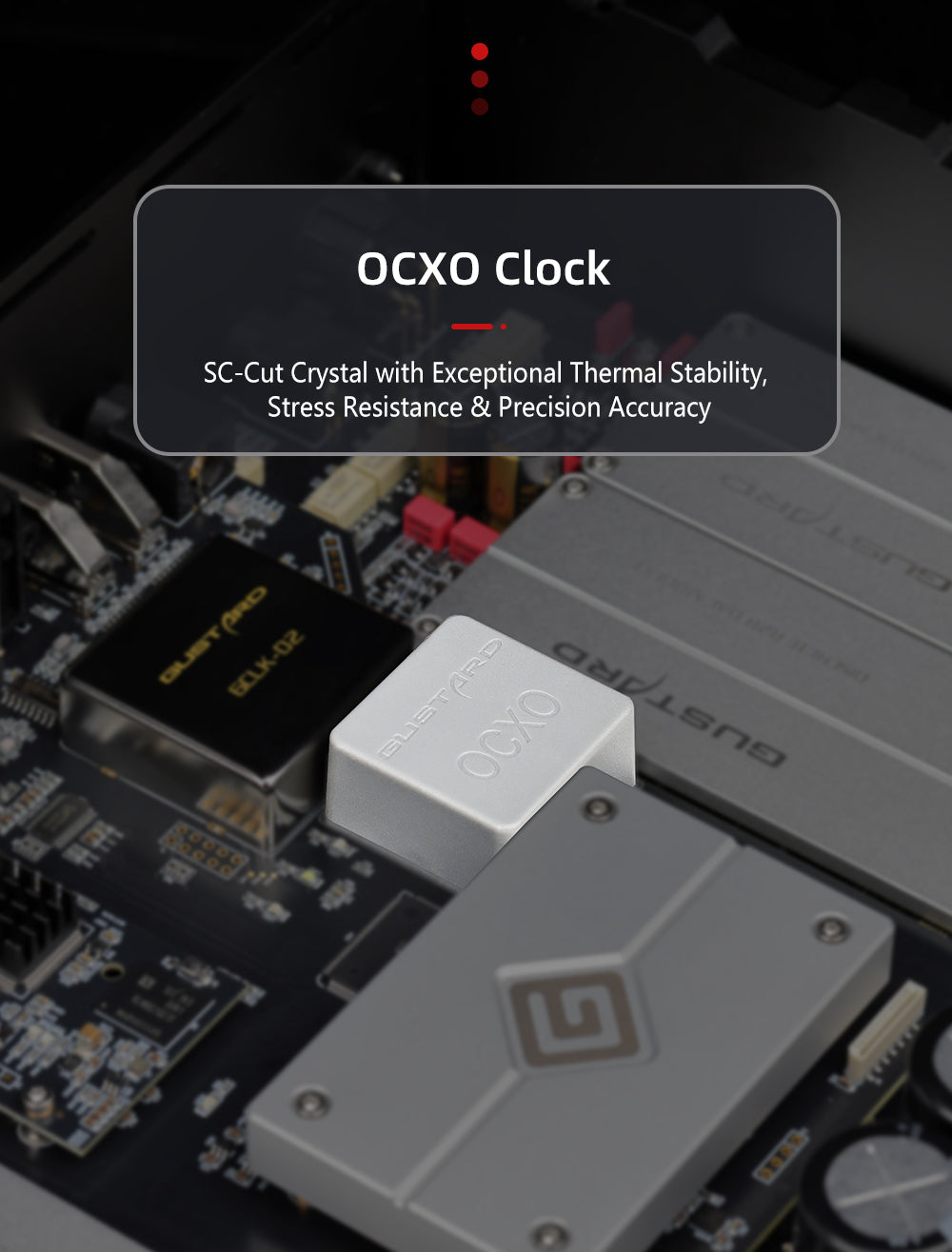
The SC-cut crystal OCXO clock keeps jitter to imperceptible levels thanks to exceptional thermal stability and stress resistance. The R30 also accepts an external 10MHz clock input if you want to sync it to your reference system.
A network bridge built for music
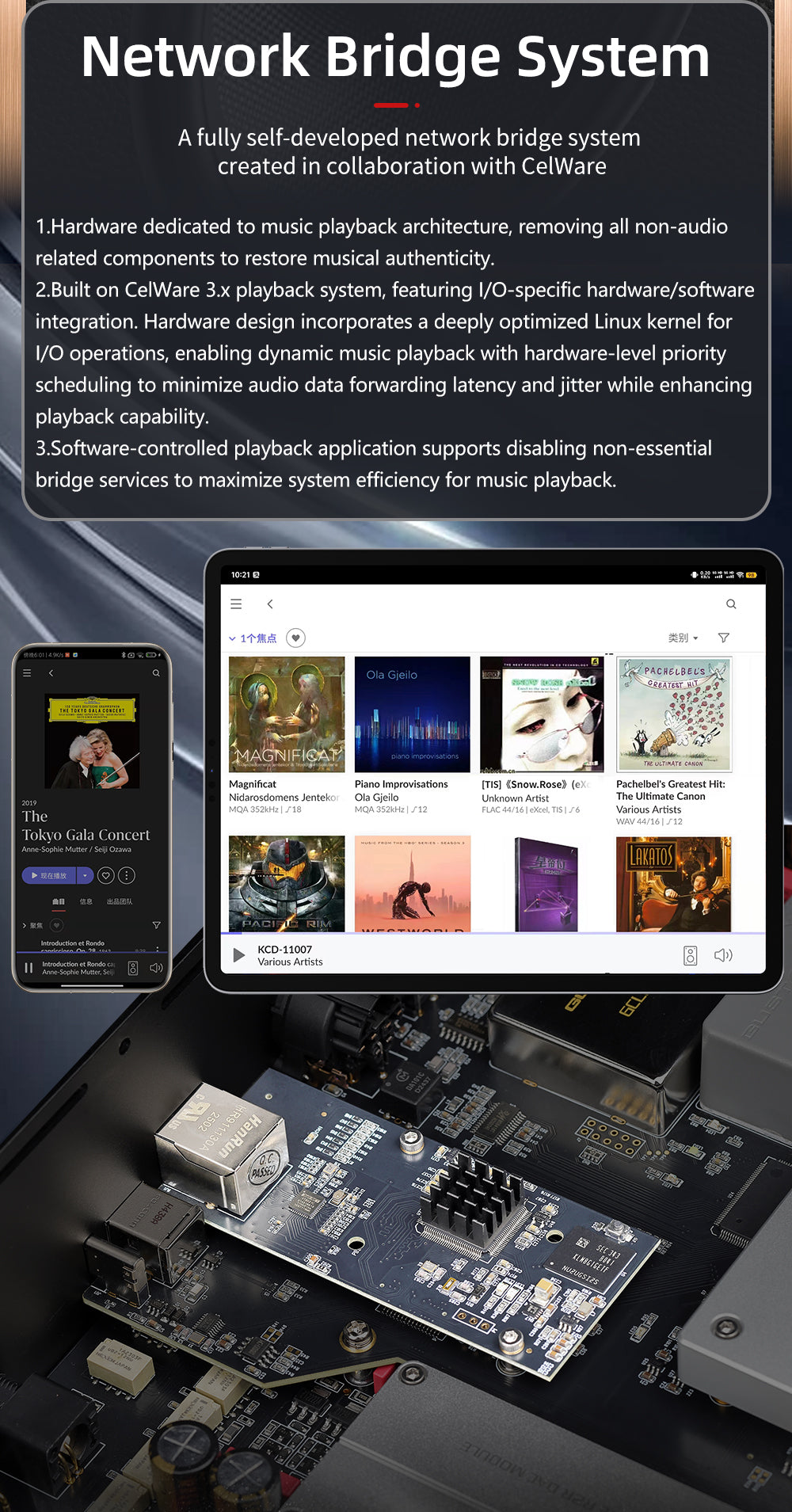
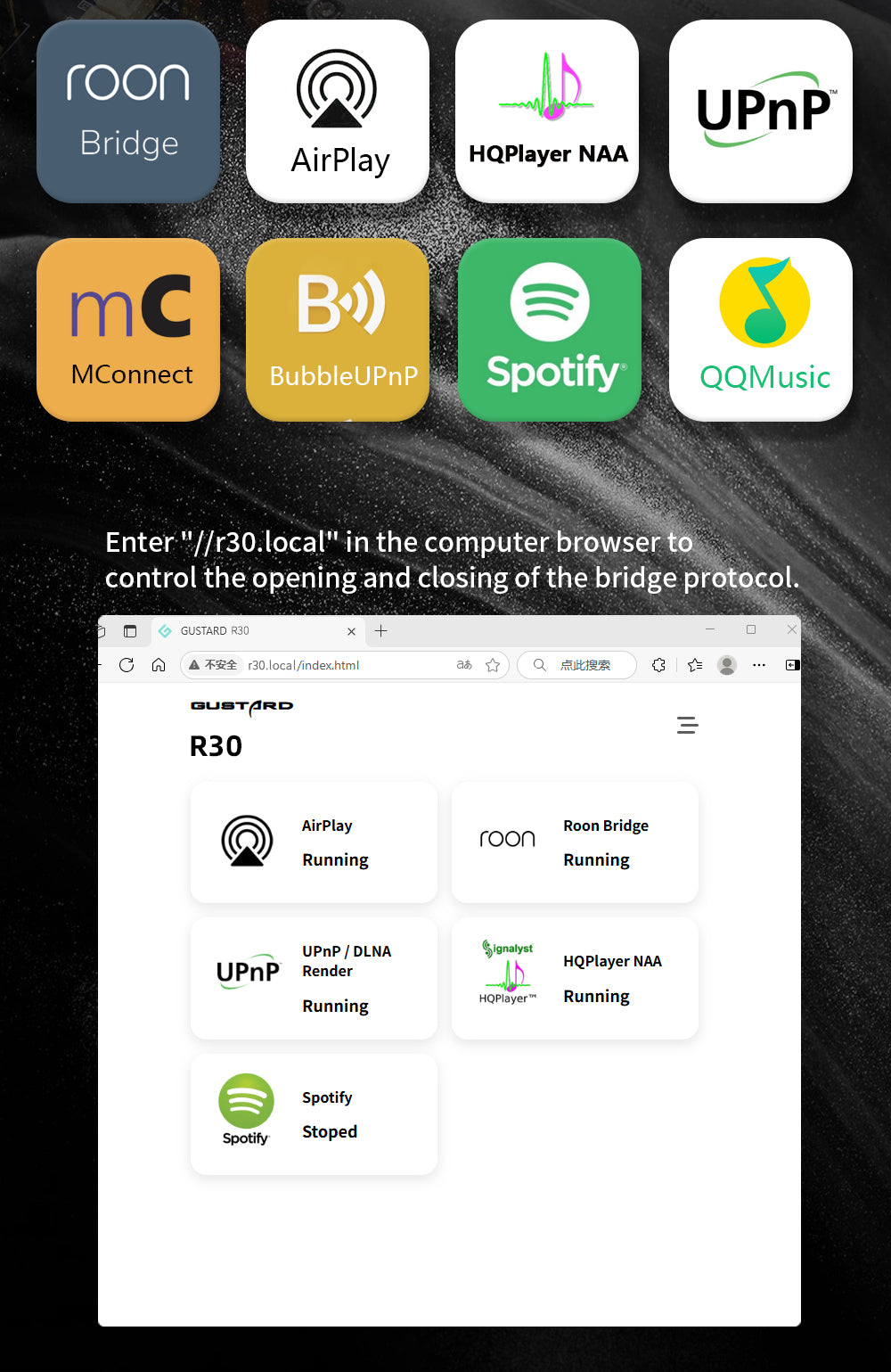
The R30 comes with a self-developed CelWare-based network bridge system. This isn’t a generic Linux box. It’s a playback-dedicated design that strips away non-audio processes, minimizing jitter and latency. Protocol support includes Roon Bridge, AirPlay, HQPlayer NAA, UPnP/DLNA, Spotify Connect, MConnect, BubbleUPnP, and QQMusic.
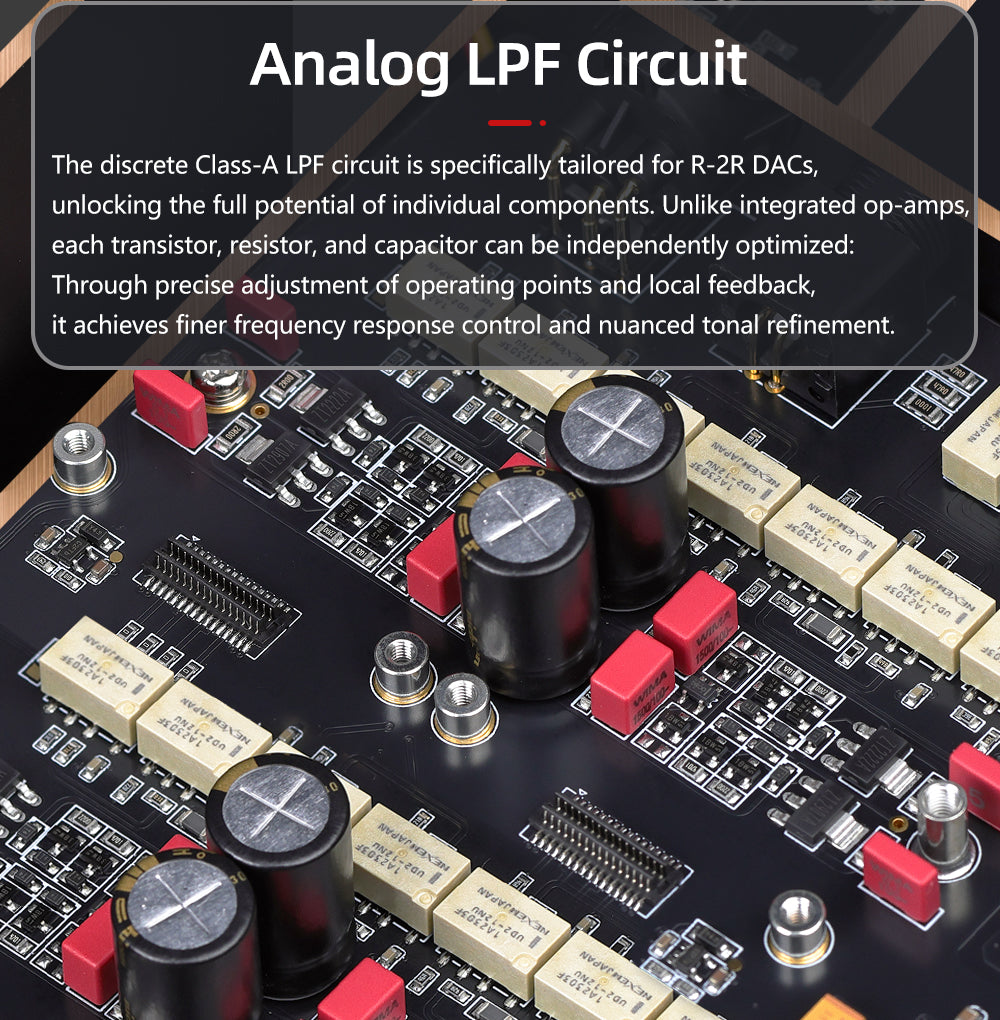
Class-A analog stage
Instead of integrated op-amps, the R30’s discrete Class-A low-pass filter stage lets each component be tuned individually. That means better control of frequency response, harmonic character, and transient handling.
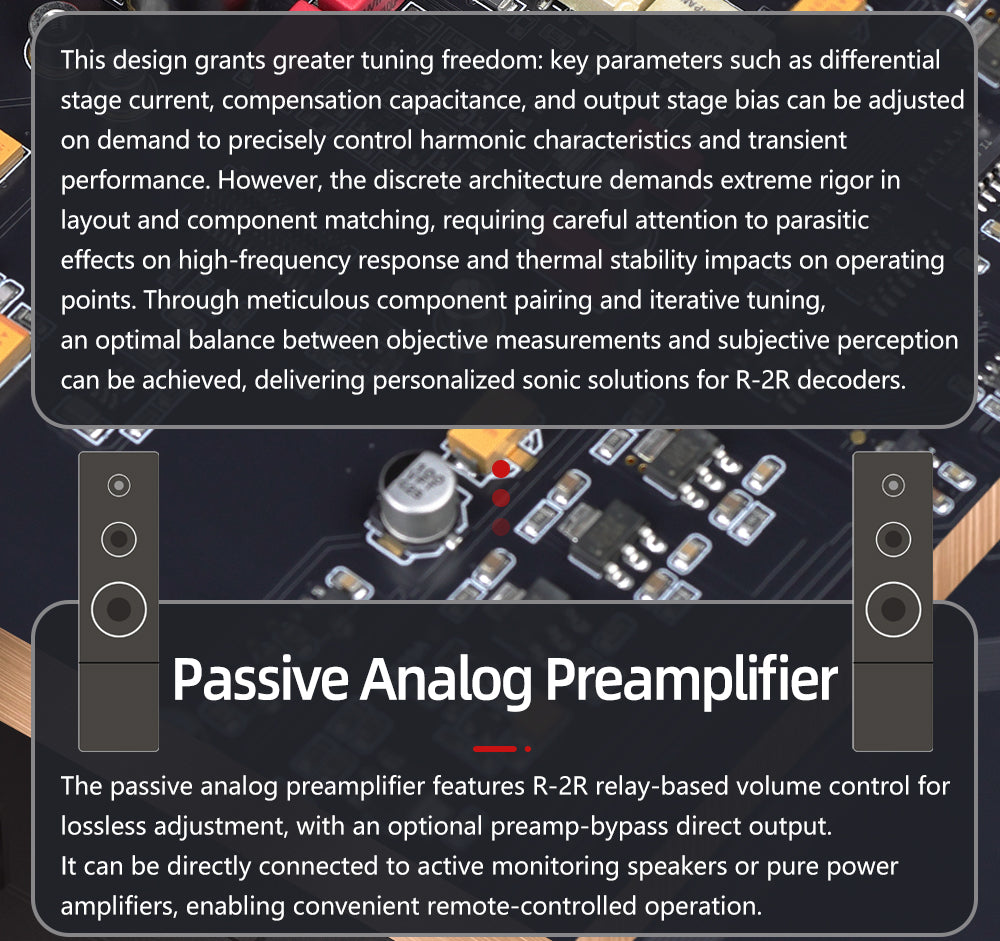
Passive relay preamplifier
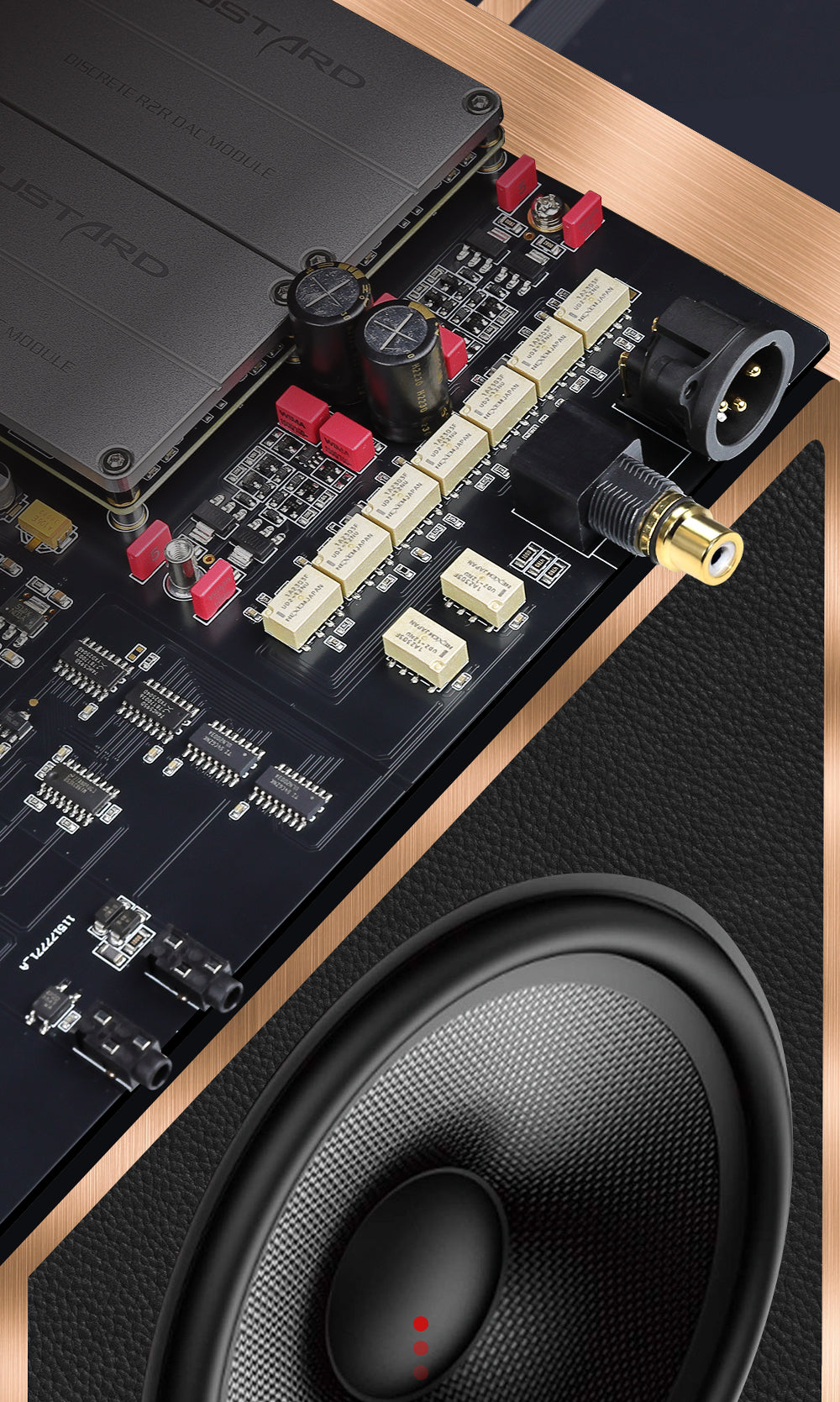
With its R2R relay-based volume control, the R30 doubles as a passive analog preamp. Switch into pure bypass mode to use it strictly as a DAC, or connect it directly to powered monitors or a power amp and control volume remotely.
XMOS USB with isolation
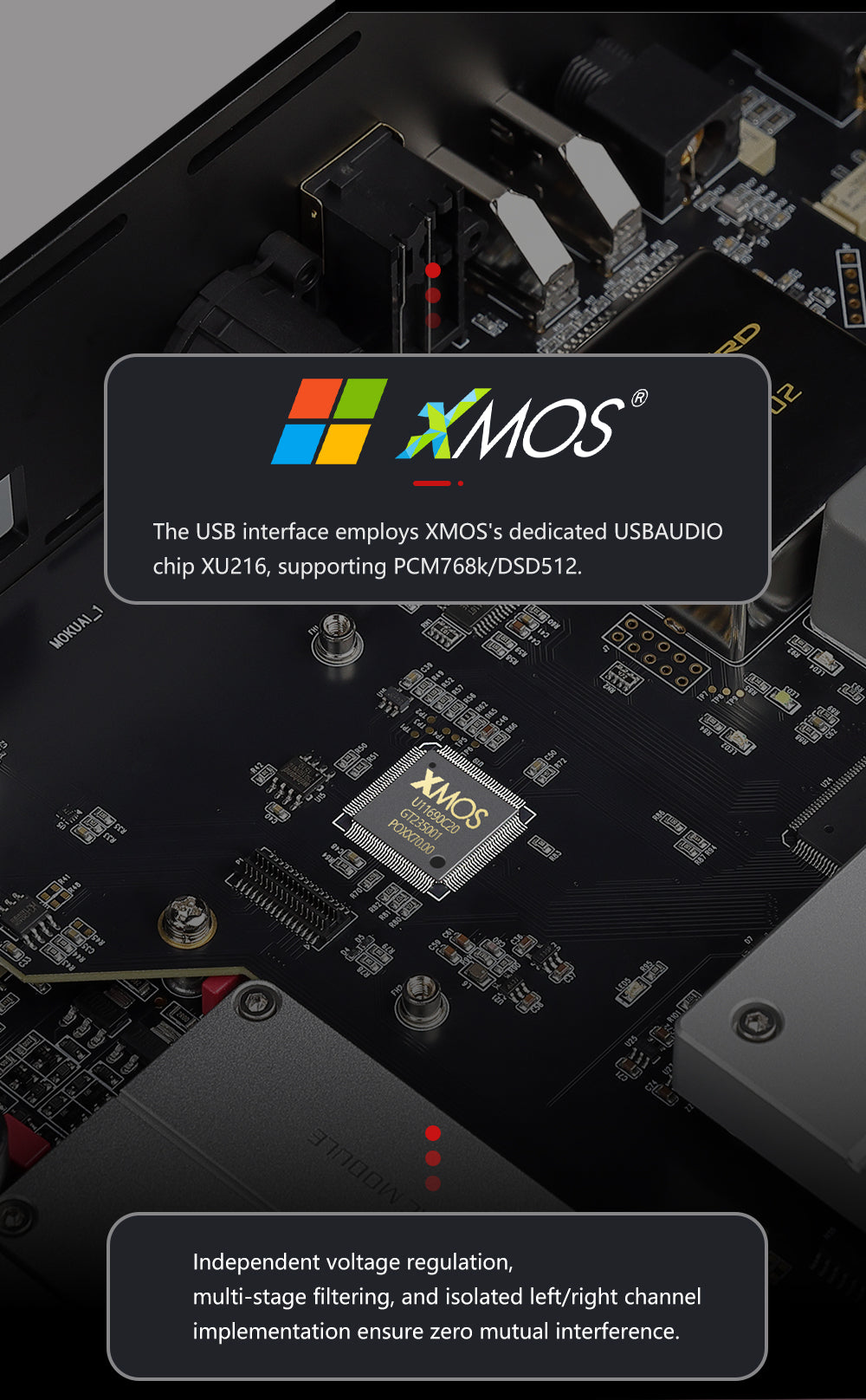
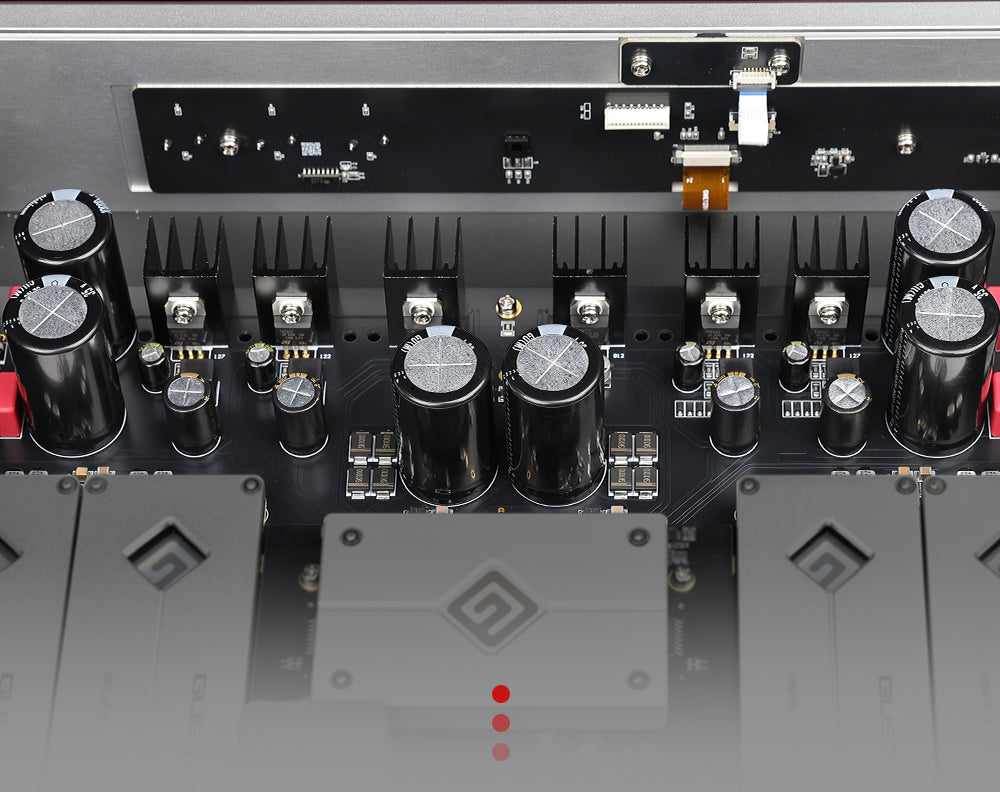
The USB input runs on an XMOS XU216 interface, supporting PCM768k and DSD512. Independent voltage regulation and isolated left/right channels keep crosstalk and interference to a minimum, ensuring your USB connection doesn’t become a weak link.
Product highlights
Fully discrete R2R ladder DAC
Native DSD1024 decoding (via I²S)
Triple digital filter modes: Linear Sharp, Minimum Slow, Super Slow
FPGA programmable logic for clock and signal control
OCXO clock with SC-cut crystal and external 10MHz input
Self-developed CelWare network bridge with Roon, AirPlay, UPnP, NAA, Spotify
support
Discrete Class-A analog output stage
Relay-based passive preamp with pure bypass mode
Balanced and unbalanced analog outputs (XLR, RCA)
XMOS XU216 USB interface with multi-stage filtering
Web-based control via “//r30.local”
Specs
Digital performance
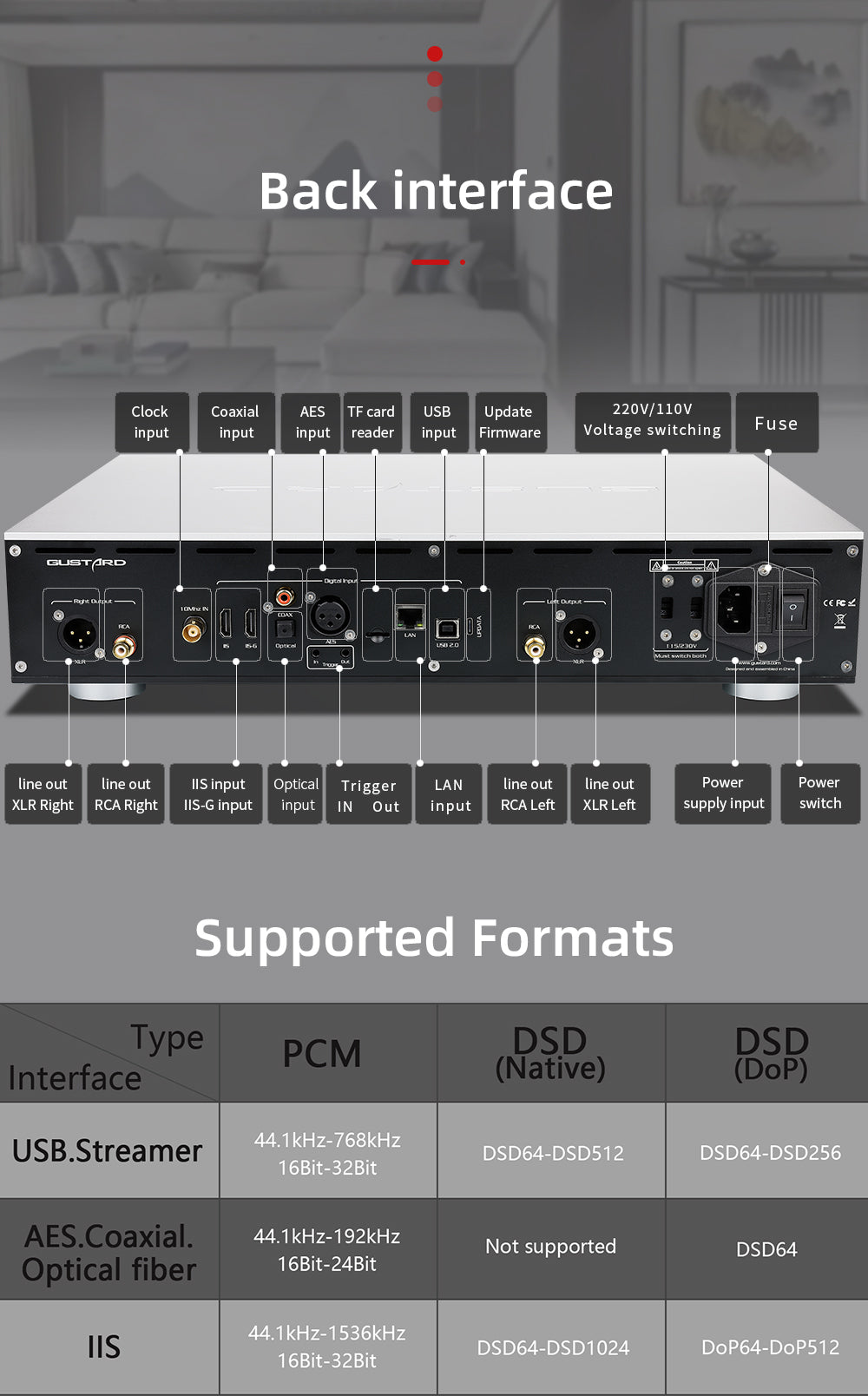
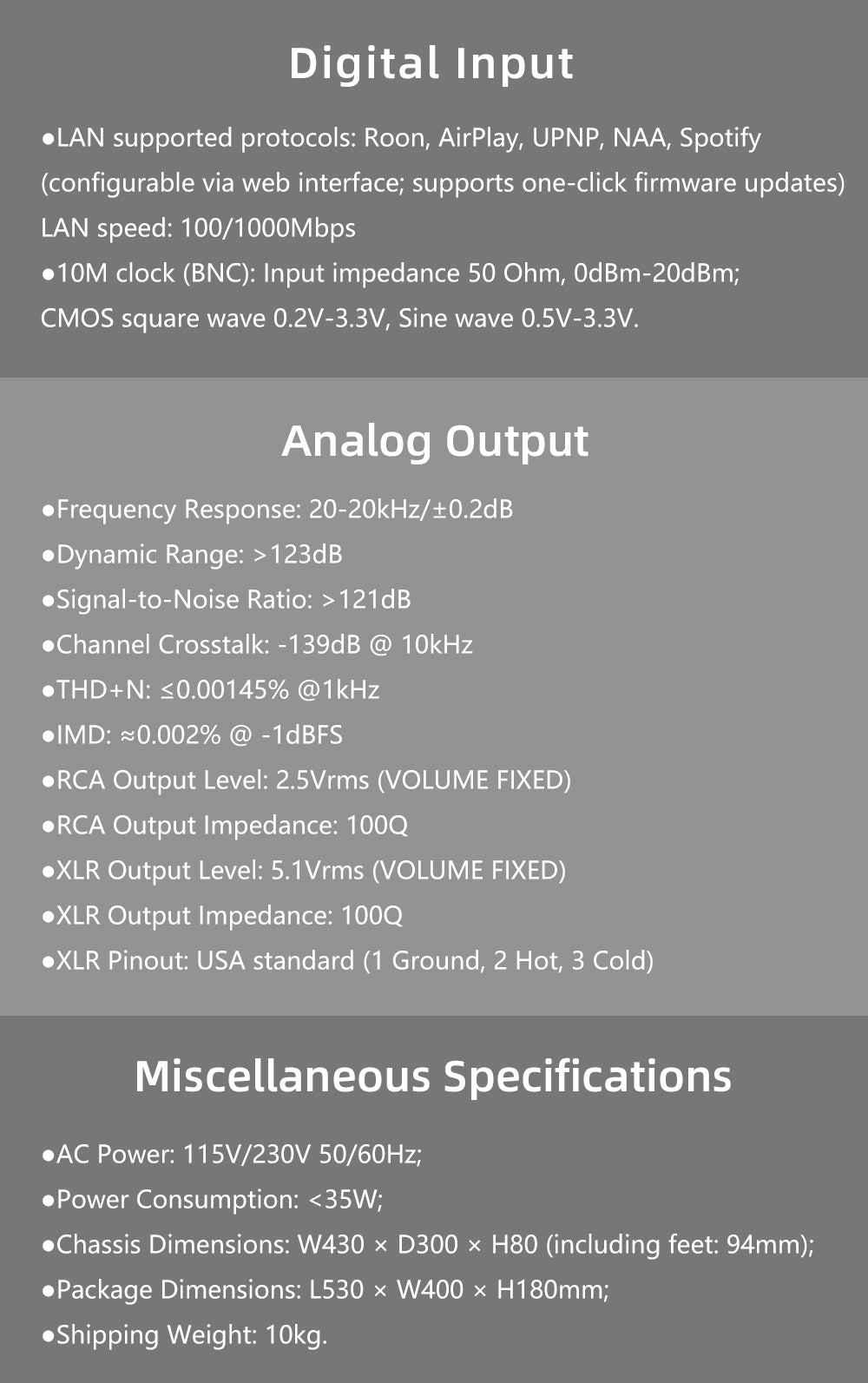
PCM: up to 1536kHz (I²S), 768kHz (USB)
DSD: up to DSD1024 (I²S), DSD512 (USB)
Digital filter modes: Linear Sharp, Minimum Slow, Super Slow
Analog output
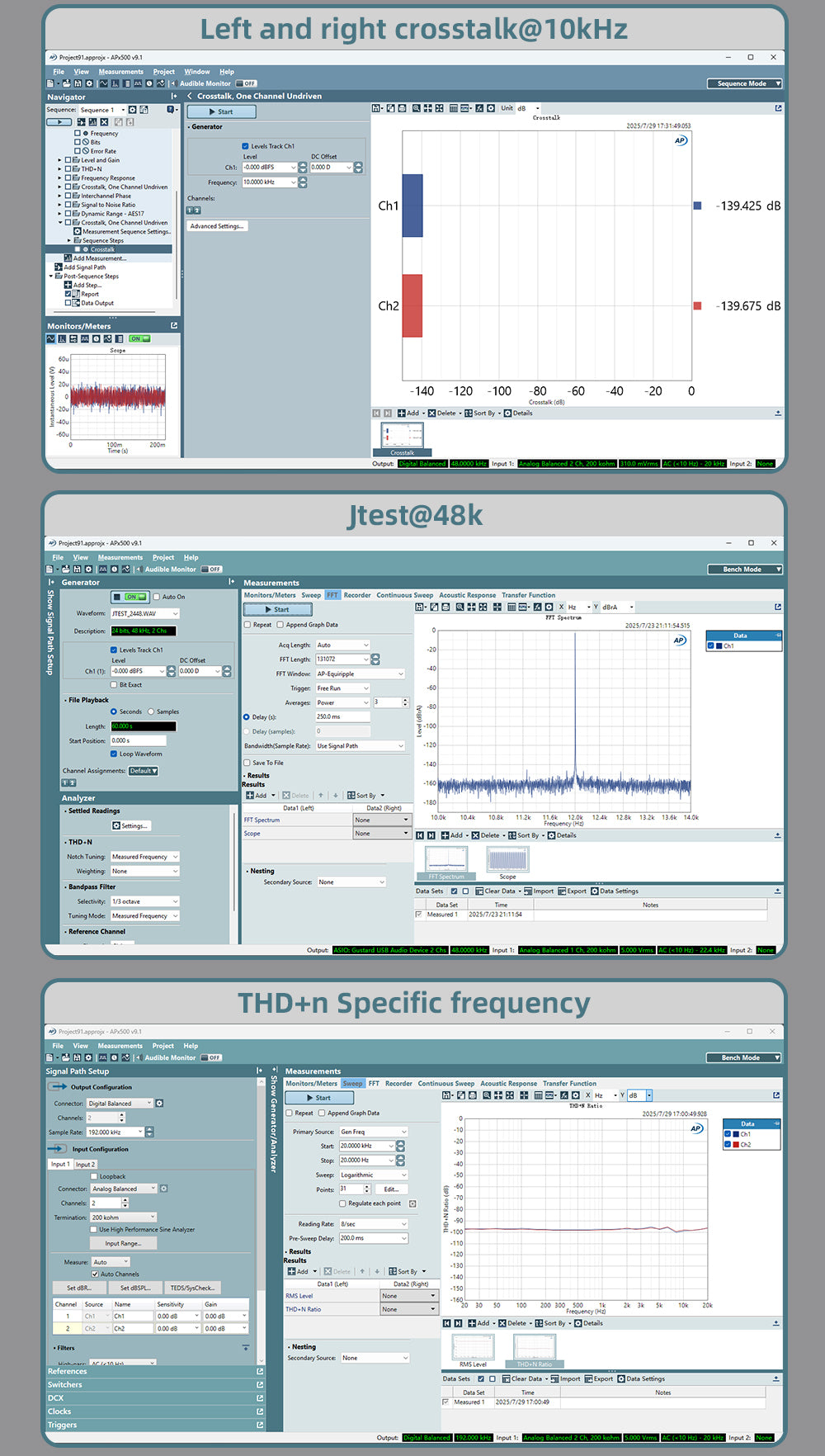
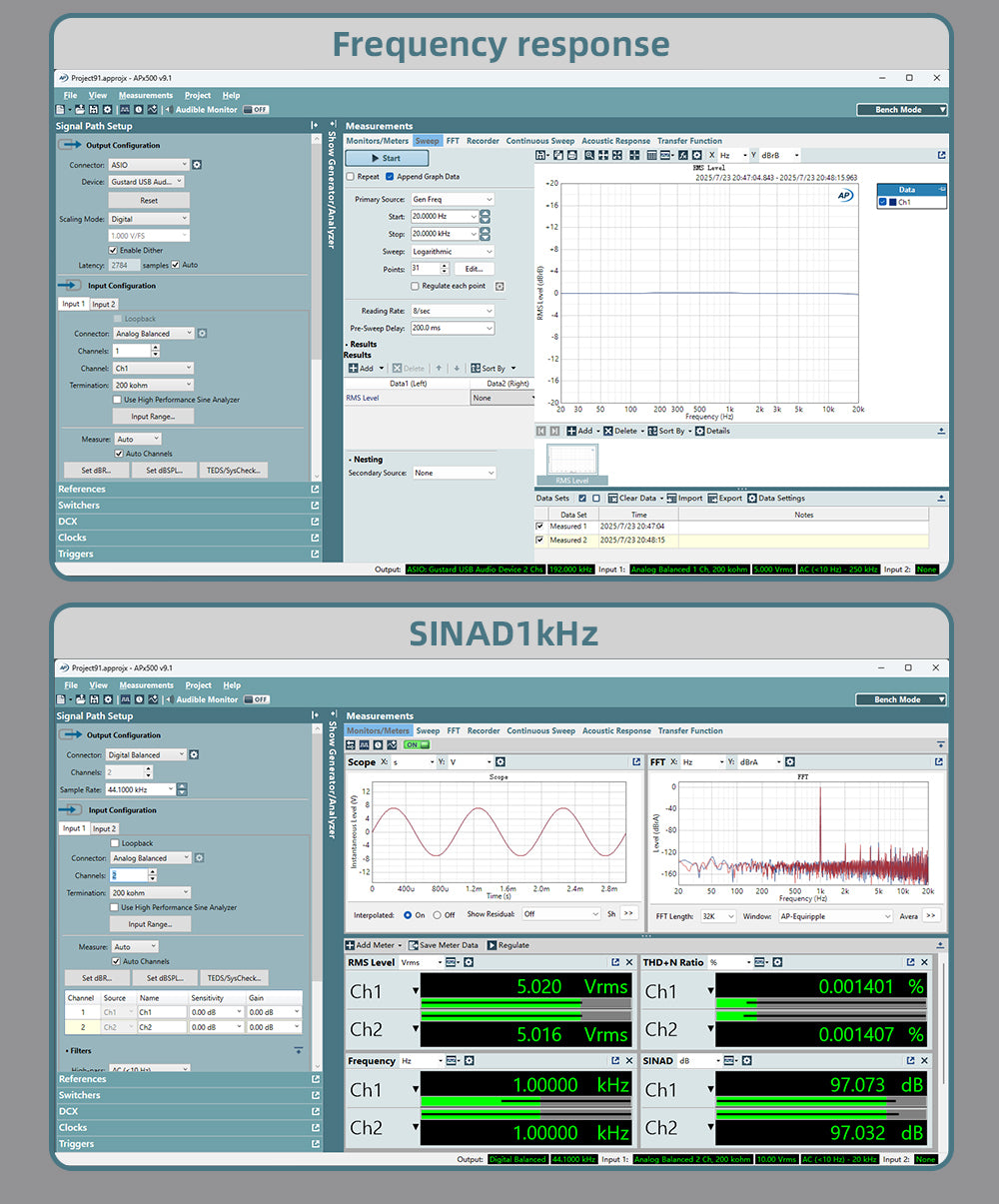
Frequency response: 20Hz–20kHz / ±0.2dB
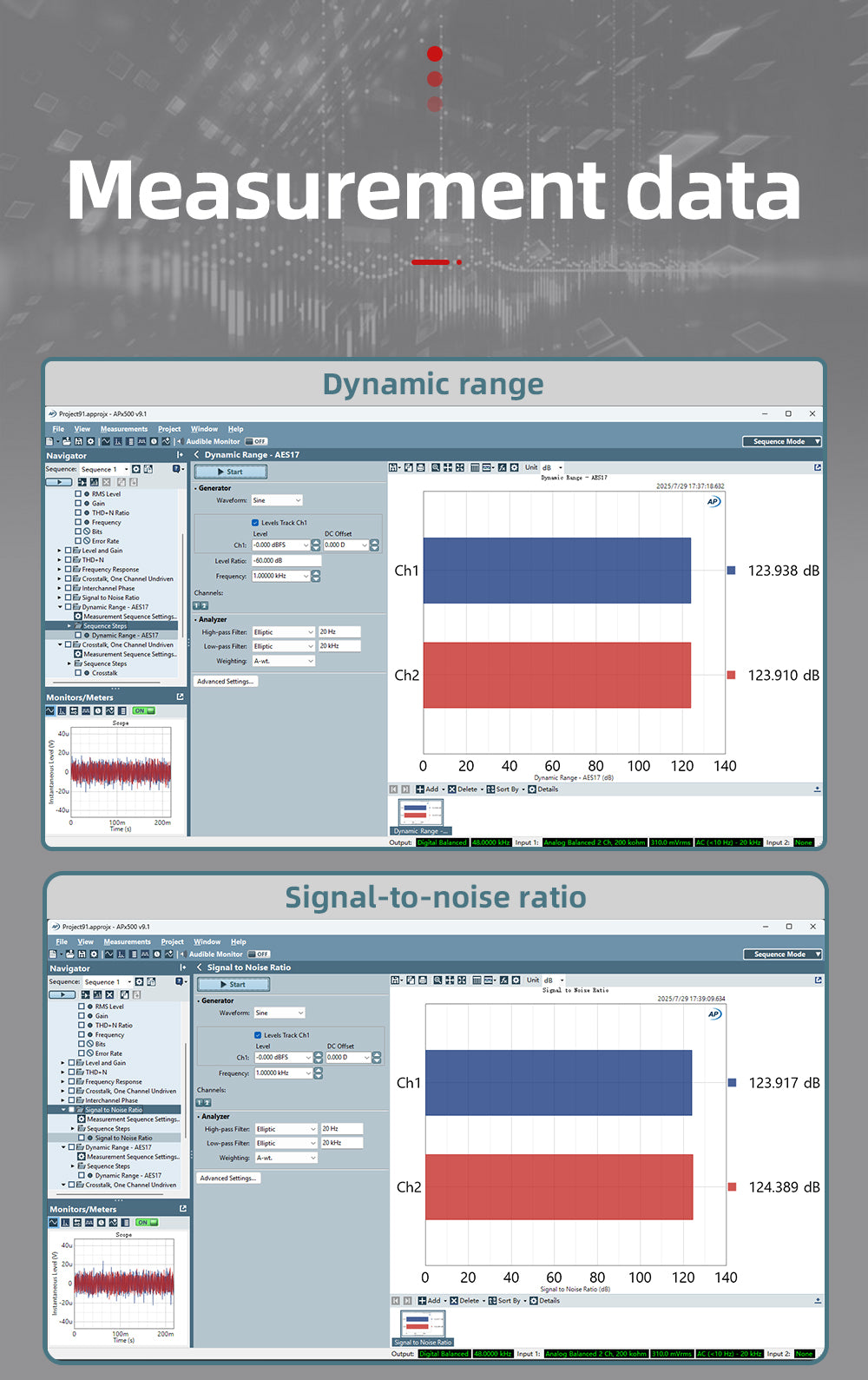
Dynamic range: >123dB
SNR: >121dB
Crosstalk: –139dB @10kHz
THD+N: ≤0.00145% @1kHz
IMD: ≈0.002% @ –1dBFS
RCA: 2.5Vrms fixed, 100Ω
XLR: 5.1Vrms fixed, 100Ω
Clocking
Internal: SC-cut crystal OCXO with ultra-low jitter
External clock input: 10MHz BNC, 50Ω, 0–20dBm
Digital inputs
USB (XMOS XU216)
Coaxial
Optical
AES/EBU
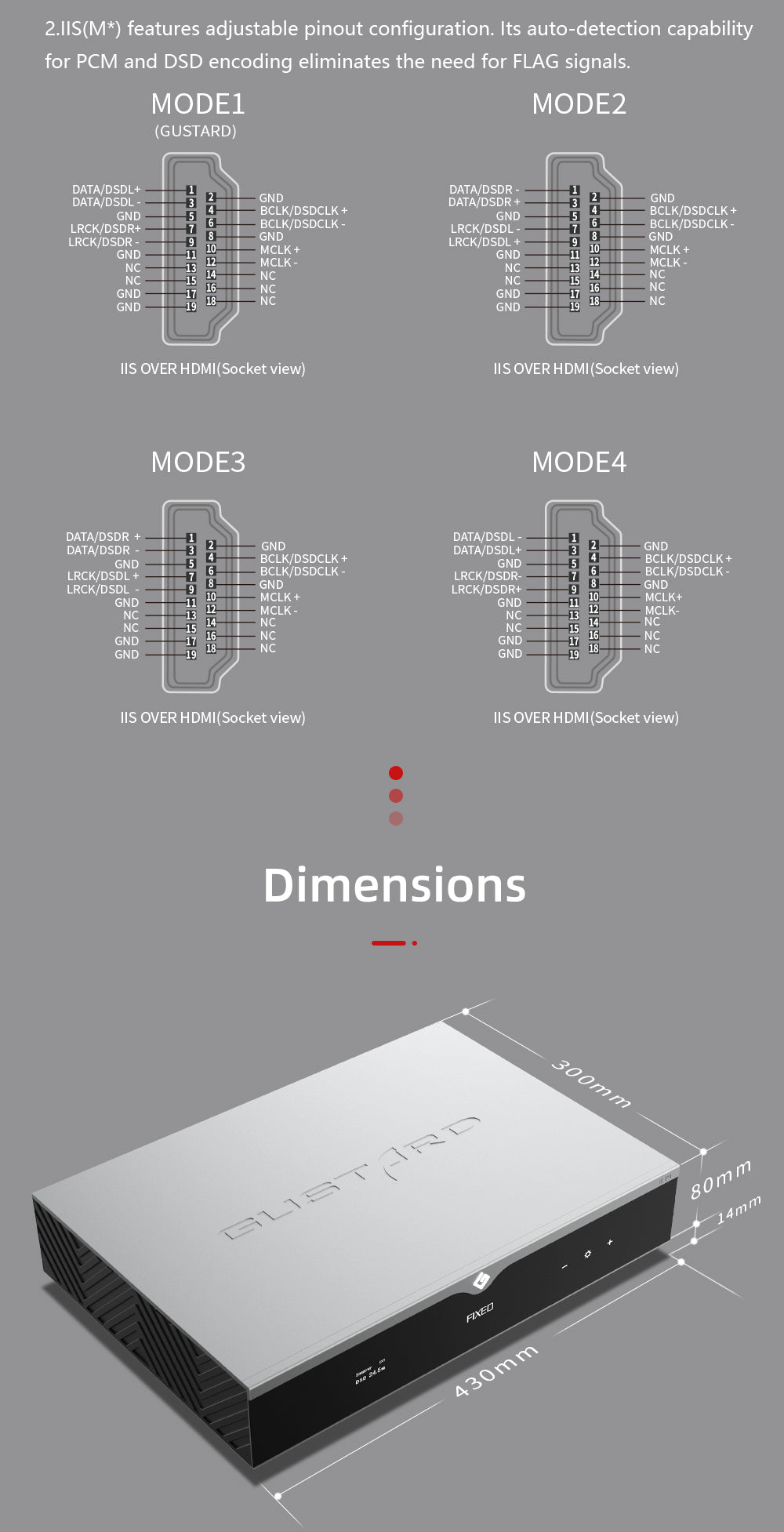
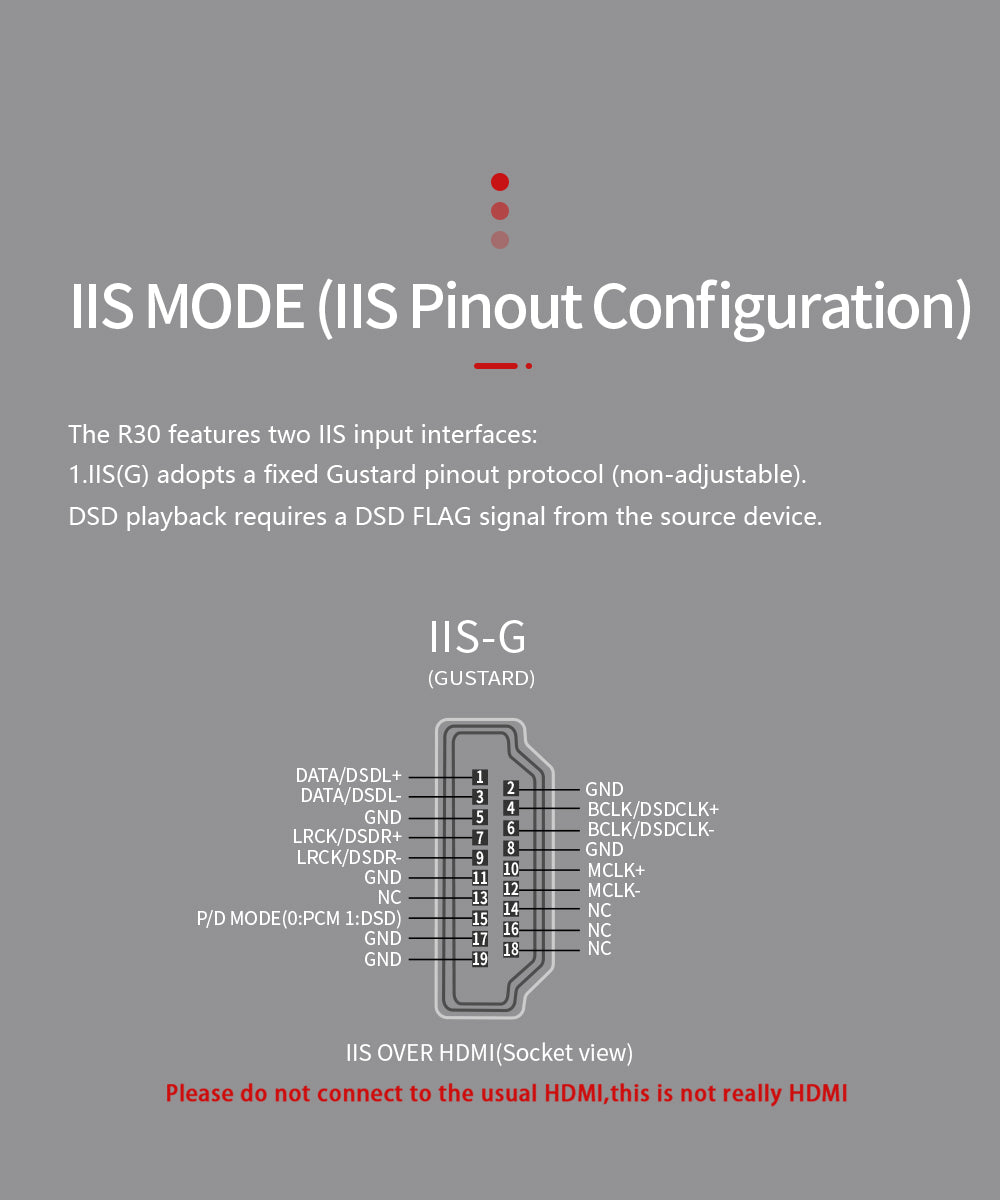
Dual I²S (adjustable pinout)
LAN (100/1000 Mbps, Roon/AirPlay/UPnP/NAA/Spotify)
"A flawless-sounding unit. Much better components than its predecessor. Holds its own against even pricier units. I believe that it's up there with the best units I've ever heard." -SoundNews
"I’ve been using the Gustard Audalytic DR70 with an external Studer900 (TALEMA) LPS and Burson Audio V7 Vivid Pro opamps since the first week in January. Without a doubt, the R30 is a superior DAC. But to me, the improvements are elegant, refined, subtle in so many ways, but not really really drastic. Definitely better. I love how the Gustard R30 improves the sound. Orchestral passages feel like I am in a concert hall. Jazz is so much sweeter. Dance/club music makes you want to get up and dance. I felt closer to the music. The bass has more energy, sounds more solid. Even at lower volumes I can feel the low frequencies energy waves tingling my skin like they have more power behind them. The mids are so more poised. Vocals have better definition but still smooth, more real. I felt Ray Charles was just a few feet away from me. Voices are more gracious. The highs are more polished. There is a song in the Bonnie & Klein “Ithaca” album where the sound of a xylophone on the DR70 at loud volumes sounded a bit scratchy, not on the R30. It was clean. I also noticed a wider, bigger soundstage. I would be listening to an album I am very familiar with (Bella Sonus “Enamoured”), then all of a sudden I realized the enhancement, the broader wider stage. Holographic! Imaging is more detailed. Obviously, the R30 is a much more polished DAC. By a nice margin. It’s so more graceful. Without a doubt, it’s a more refined piece. Is it $3K better? For many, I would say no. For those of us willing to pay $3.6K in search of more beautiful sound? Well I did, and have no regrets about it. For folks that $3.6K is out of their budget, the good news is the DR70 with a good external linear power supply and some decent opamps like the Sparkos SS3602 or the Burson Audio V7 Vivid Pro or Classic, is a great alternative. The DR70 can provide many hours of wonderful sound. I bought my DR70 10 months ago and am not selling it. I’m keeping both!"
— Rafael Q. (5/5)
Wonderful DAC
"I am an amateur in the hi fi appreciation world. Just learning , in other words. This was my ultimate DAC purchase after trying 8 or 10 others along the way. This is expensive, but it outclasses the others by a considerable margin. The R2R technology seems to allow for musical brilliance to shine through, whereas the other DACS, while perhaps accurate to a T in meeting technical standards, seem more clinical in comparison. I have to say that dealing with APOS on this purchase was an utter joy. These are terrific people who are not cut from the A. I. cookie cutter mold -- real human beings if you know what I mean. And this is a DAC for human beings who still can appreciate music from the heart, not just from the brain (whatever that is)."
— Gina S. (5/5)
GUSTARD R30
"GUSTARD R30"
— Jin z. (5/5)
Exceptional Device
"Everything reviewers said is true, detail, depth, soundstage. Operates well as a preamp."